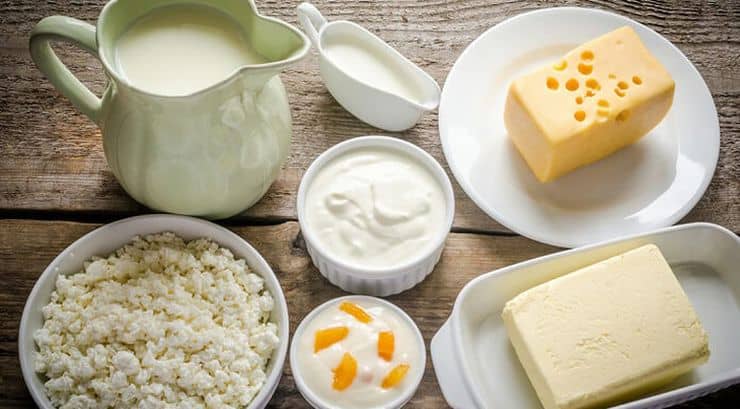
Online milk delivery account is 7-8% of total online grocery business
“Diversification has paid off,” said Ritwik Bahuguna, partner in the agriculture, dairy and food processing division at Wazir Advisors.
With customers increasingly shopping online during the pandemic, several product categories that were previously unpopular on the web have gained momentum. According to Red Seer Consulting, the online e-grocery market stood at $ 3.3 billion in CY20, of which online milk delivery startups account for 7-8%, and is expected to grow at a compound rate. 50% per year for the next five years. Some of these companies have also diversified into related offerings such as bakery, fruit and vegetables.
During the second wave of the ongoing pandemic, online milk delivery startups such as Country Delight, FreshToHome, and Supr saw 15-20% growth daily, helped by the launch of new SKUs and product diversification.
“Diversification has paid off,” said Ritwik Bahuguna, partner in the agriculture, dairy and food processing division at Wazir Advisors.
Country delight doubles its supplies during Pandemic
Country Delight, an online milk company, says its business has seen a double increase since the start of the pandemic. “We recently launched preservative-free bread, coconut water for immunity booster, Ratnagiri mangoes, and various other fruits and vegetables, including premium leafy greens,” said Chakradhar Gade, Co-Founder of Country Delight. Focusing on product quality, the startup plans to expand to towns and cities located near the metro. “Currently, we are present in the top 10 metropolitan areas, but our business will not expand to more than 15-20 cities in the future, as each city is a large market in itself,” added
Supr Daily, an aggregator of morning essentials, is currently meeting two lakh of daily deliveries, up from 30,000 deliveries before the pandemic. Along with milk, value-added products such as curd, paneer, etc. are also purchased. “We started with one SKU on less than 100 products; we have now expanded to 5,000 products through a wide selection, ”said Puneet Kumar, Founder and CEO of Supr Daily. The start-up is currently present in the first six meters.
Then there’s FreshtoHome, which entered the milk delivery space in 2019. Its delivery service called FTH Daily is also seeing an increase in order volumes. “Today, consumers are gravitating toward less processed foods and fresh produce,” said Shan Kadavil, CEO of FreshtoHome. The company ventured into groceries in 2020. “Now, due to higher order value, it is easier to connect directly with farms, leading to better quality products,” he added. The company has increased its range of stock-keeping units (SKUs) from 80 to 250 during the pandemic.
As these startups are region-specific, the online milk delivery segment is geared toward hyper-local packaging and marketing. “Online milk delivery startups have limited geographic reach due to high last-mile delivery costs,” said Saurav Chachan, engagement manager at Red Seer Consulting.
However, with a handful of new players entering the segment often, it may be possible for players with a lot of money to topple the little ones, leading to a monopolistic / duopolistic situation in the future. It is also crucial that players optimize supply chains to break even, Bahuguna added.
Never miss an important dairy update
Follow DairyNews7x7 on Google to get live milk prices, policy alerts, and daily headlines directly in your feed.