Latest Blogs
See More
Indian Dairy News


DairyNews7x7
Global Dairy News

DairyNews7x7
India and the United States are in the final stages of negotiating a bilateral trade agreement, with agriculture and dairy sectors emerging as significant sticking points. India is advocating for a "zero-for-zero" tariff deal, seeking complete elimination of tariffs on goods from both sides. However, the U.S. is reportedly insisting on maintaining a 10% tariff on Indian goods.
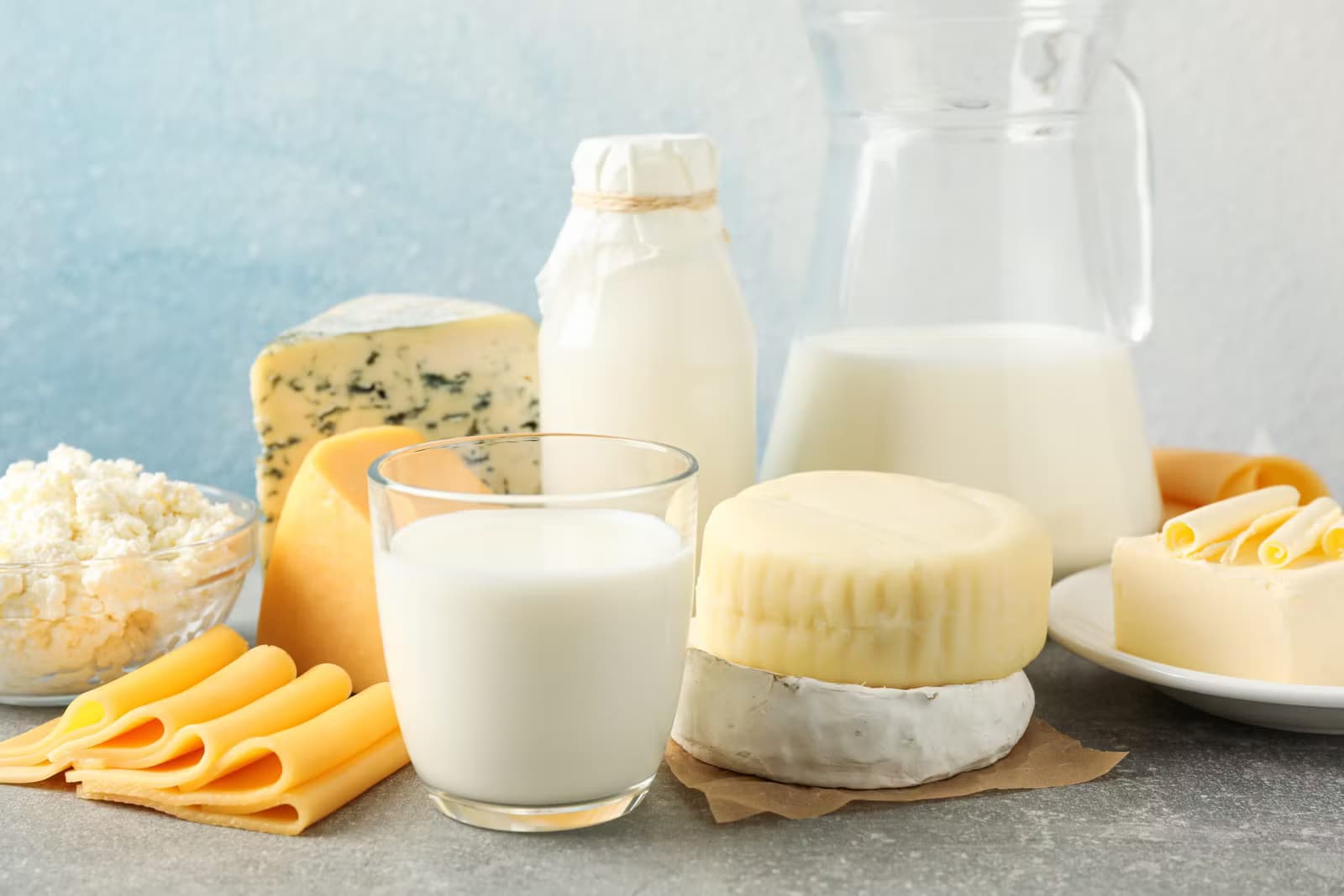
A primary concern is India's stringent regulations on dairy imports. India has consistently refused to allow common U.S. dairy products, citing concerns over animal feed practices and cultural sensitivities. Only specialized dairy items, such as certain cheeses with limited demand in India, are being considered for import.
Additionally, India maintains a firm stance against genetically modified (GM) products. While imports of GM crops are off the table, there may be flexibility for non-GM products, provided they are certified. Crops like corn and soy are expected to retain high import duties unless the U.S. agrees to a tariff rate quota (TRQ), allowing limited imports at lower tariff rates.
The proposed trade agreement is structured in phases:
Interim Agreement: Expected before July 8, focusing on select sectors.
Second Phase (October 2025): Expansion to cover 19 additional sectors.
Final Agreement: Would require U.S. Congressional approval, especially if it involves rolling back tariffs.
Former Indian Ambassador to the WTO, Jayant Dasgupta, highlighted that even with a 10% tariff, India could benefit if competing exporters like China or Vietnam face higher duties in the U.S. market.
Industry Insight:
The ongoing negotiations underscore the complexities of aligning trade policies between two major economies, especially in sensitive sectors like agriculture and dairy. For stakeholders in the dairy industry, the outcome of these talks could significantly impact market access, regulatory standards, and competitive dynamics.
Source : Dairynews7x7 May 23rd 2025 Financial Express