Latest Blogs
See More

Indian Dairy News

DairyNews7x7
Global Dairy News


DairyNews7x7
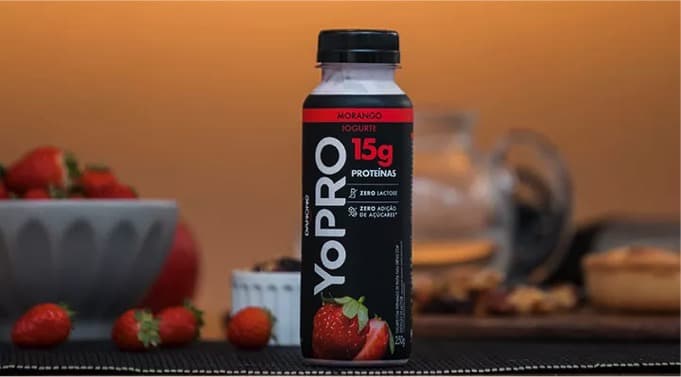
Danone has become the latest manufacturer to release a range of high-protein dairy products in the UK. But can high-protein yogurts - that typically contain thickeners, starches and sweeteners - really be considered ‘healthy’? From cheese to yogurt, high-protein dairy products are highly sought-after among consumers – whether active consumers looking to build muscle, or health-conscious consumers looking for added nutritional value in everyday food staples. At the Anuga 2023 trade show in Cologne, Germany, we saw many examples of high-protein dairy products. These products often had a low-fat profile, too – one way to manufacture a high-protein dairy product is to reduce the fat content in milk during processing, rather than through fortification by adding whey protein concentrate, for example. Besides spoonable yogurts and milk drinks, we saw high-protein cheese bars from Dutch and British dairy companies, but also fresh cheese (ricotta and mozzarella) and processed cheese slices as emerging categories on the high-protein arena. High-protein yogurts, in particular, have regularly cropped up on British supermarket shelves in recent years, with Arla, Nestlé and recently Danone launching products in this category. But while these products are often marketed as ‘healthy’ due to being low in fat and sugar and high in protein, a glance at the ingredients list reveals additives such as artificial sweeteners, starches, gums and even plant oils. Can products touted as ‘healthy’ be truly healthy if they also come with these additional ingredients mixed in? Danone UK & Ireland launched its high-protein dairy line, GetPRO, in the UK last September. Comprising a range of formats – from yogurts and puddings to chilled and ambient dairy beverages – the brand has since become an official partner for Team GB, Great Britain and Northern Ireland’s Olympic team, while Danone is also a partner of the Paris 2024 Olympic Games.Asked why the company’s GetPRO yogurts – which contain additives including artificial sweeteners, starches and thickeners – are marketed as ‘healthy’ while they technically fall into the ultra-processed foods category according to the NOVA food classification system, Danone UK & Ireland’s dairy category director, Tom Hickton, told us: “In the UK, there is no agreed definition of ultra processed foods and they are not referred to in government dietary recommendations. What’s key is the nutritional quality of the product. The GetPRO range is all non-HFSS (high in sugar, salt or fat) and high-protein, with no added sugars, making it a healthy option that consumers can enjoy as part of a balanced diet and as a post-workout snack. “Many ingredients we add are to improve the safety and nutritional quality of our products, and we only use additives that are recognised as safe by the UK Food Standards Agency.” A processed food is not necessarily ‘unhealthy’, he added, and most high-protein products offer nutritional benefits, for example by being a source of protein and calcium. “The safety and nutritional value of a food should not be reduced to whether it’s processed or not,” he added. “In fact, food processing enables our products to be high in important nutrients and is essential to ensure we deliver safe and nutritious foods to our consumers.” We asked if consumers who look for specific nutritional benefits – such as higher protein content in yogurt – are more willing to accept a long ingredient list. “A long ingredient list doesn't necessarily mean the product is ‘unhealthy’ and there are other factors to consider such as the nutritional quality and safety of the food,” Hickton reiterated. “For example, in some cases we add extra vitamins and minerals into our recipes to increase the nutritional value of product, but this also results in a longer ingredient list. “Consumers looking for specific health benefits may have a better understanding of those ingredients added to deliver important health benefits. As a leading food and drink manufacturer with a health-focused portfolio, we recognise that we also have a role to play in educating consumers about the ingredients added to our products,” he said. Hickton told us that Danone UK & Ireland is actively striving to simplify recipes and reduce the number of additives and ingredients, but certain food additives – such as stabilizers, emulsifiers and phosphates – are needed for safety and stability reasons. “At Danone UK & Ireland, our portfolio is one of the healthiest in the industry, we have committed that at least 90% of our portfolio of products will not be high in sugar, salt or fat,” he said. “GetPRO is no exception, high in protein with no added sugars and low in or containing no fat. We are proud to be a health-focused food manufacturer that enables consumers to make, convenient, healthy and tasty choices.” According to IRI data, the dairy protein market has grown by 44.2% year on year in 2023 to a value of £117m – and the category is not set to slow down. High-protein is projected to be the fastest growing segment within dairy yogurt this year, with a growth rate of 17.2% according to Circana. This is driven by increasing consumer awareness about the importance of protein for a healthy, balanced diet. “The launch of GetPRO in the UK has further expanded the protein segment with 50% of the brand’s shoppers adding it on top of their usual protein basket,” Hickton told us, quoting Nectar data encompassing the 12 weeks to December 11, 2023. “The diversity of formats including yogurts, drinks and desserts as well as both fruity and indulgent flavours offers consumers something for every snacking occasion. This trend is seen globally, with mature markets like Brazil experiencing strong growth due to new entrants offering a wide diversity of flavours and formats attracting new shoppers.” So why did it take Danone UK&I until last September to launch GetPRO in the UK – provided the company’s high-protein products are already available in other markets such as the US, Europe, Australia, Japan and Brazil under brand names like Oikos Pro, YoPRO and HiPRO. “It was important to us that we launched with the best possible product, across a variety of formats to suit the needs of a wide range of shoppers,” Hickton explained. “We launched in 2023 when we knew we had a strong product, as well as the resources to make GetPRO a success and we continue to invest in R&D to bring future innovations to the category. Launching just before an Olympic year has also allowed us to maximise our partnership with Team GB, with a great opportunity to build credibility as a new brand in the market. “GetPRO is a range that delivers on taste that we know can be a barrier for some shoppers entering the protein segment. Consumer research across Europe and specifically in the UK consistently places our products at the top of consumer rankings on taste, for example ‘91% of consumers love the authentic blueberry taste of GetPRO blueberry yoghurt,” he said, quoting IPSOS research from June 2023 among 100 respondents. “Our star ratings online also reflect this with an average 4.4 stars out 55.” On consumer preferences for flavors and colors, “initial data shows fruity flavours such as strawberry or blueberry remain the top preference for consumers," he added. “However, indulgent flavours within the protein segment are in huge growth, with chocolate growing at +111% in 2023 and being one of our flavours with the highest repeat rate,” he said, quoting IRI value growth data collected in the 52 weeks to December 30, 2023. “Spoonable yoghurt and yoghurt drinks are the most purchased formats and are suited to the widest range of snacking occasions.” Despite launching on the UK market later than some of its major competitors, Danone’s partnership with Team GB in a year when the Olympic Games are taking place presents a significant opportunity for its GetPRO brand. “It is indeed a very big opportunity for GetPRO and we are thrilled to be the Official Yoghurt Partner of Team GB,” Hickton told us. “Danone was been designated globally as the official partner of the 2024 Paris Olympic and Paralympics Games. So we were really proud that GetPRO followed suit by becoming an official sponsor locally of Team GB. “From a commercial perspective, locally in the UK, this is a huge statement to the investment we are willing to put into the brand. It also served as a great conversation-starter for retailers we are working with. We hope to get our partnership as widely known as possible to the public and maximise this incredible Olympic year for our brand.” As established earlier, there is no formal definition of ultra-processed foods in the UK, where regulators have focused on restricting the promotion of foods and drinks that are high in fat, salt or sugar, while the link between higher consumption of ultra-processed foods and adverse health outcomes is still being investigated. When evaluating the classification and suitability of the NOVA system in the UK, the Scientific Advisory Committee on Nutrition suggested it was ‘not always possible’ to correctly classify foods to the NOVA categories based on current data from the National Diet and Nutrition Survey – the program that collects data on the nutrient intake and nutritional status of UK residents. The Committee’s concerns were about inconsistencies between the classifications of some foods in the NOVA system with existing UK dietary advice. With no formal definition in place and no consensus from regulators, we reached out to the British Nutrition Foundation in a bid to settle the debate on the health credentials of high-protein dairy yogurts. The Foundation, however, declined to comment directly, instead referring us to its There, the Foundation states that consumers ‘need to be supported to choose healthier versions of processed foods, and this can include some nutrient-dense, affordable ultra-processed foods’. “In countries such as the UK, ultra-processed foods are currently reported to make a significant contribution to total dietary intake,” the statement reads. “Whilst support to reduce intakes of less healthy processed foods is important, blanket advice to avoid all foods that would be classified as UPF may have unintended consequences that have not been fully investigated for different groups within the population.” The Foundation also notes “the limitations in the NOVA classification system, the potential for confounding, and the possibility that the observed adverse associations with ultra-processed foods are covered by existing UK dietary recommendations…mean that the evidence to date needs to be treated with caution. “At present, the British Nutrition Foundation believes that due to the lack of agreed definition, the need for better understanding of mechanisms involved and concern about its usefulness as a tool to identify healthier products, the concept of UPF does not warrant inclusion within policy (e.g. national dietary guidelines). “Strong and comprehensive action to improve the food environment is critical to reduce the high prevalence of obesity and non-communicable diseases. In addition, research to improve our understanding of the mechanisms linking ‘ultra-processing’ with adverse health outcomes is warranted to provide translatable advice to manufacturers and retailers in relation to any other aspects of foods/drinks, beyond their nutritional composition, that may influence healthier dietary choices.”