Latest Blogs
See More





Indian Dairy News

DairyNews7x7
Global Dairy News

DairyNews7x7
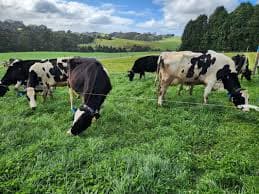
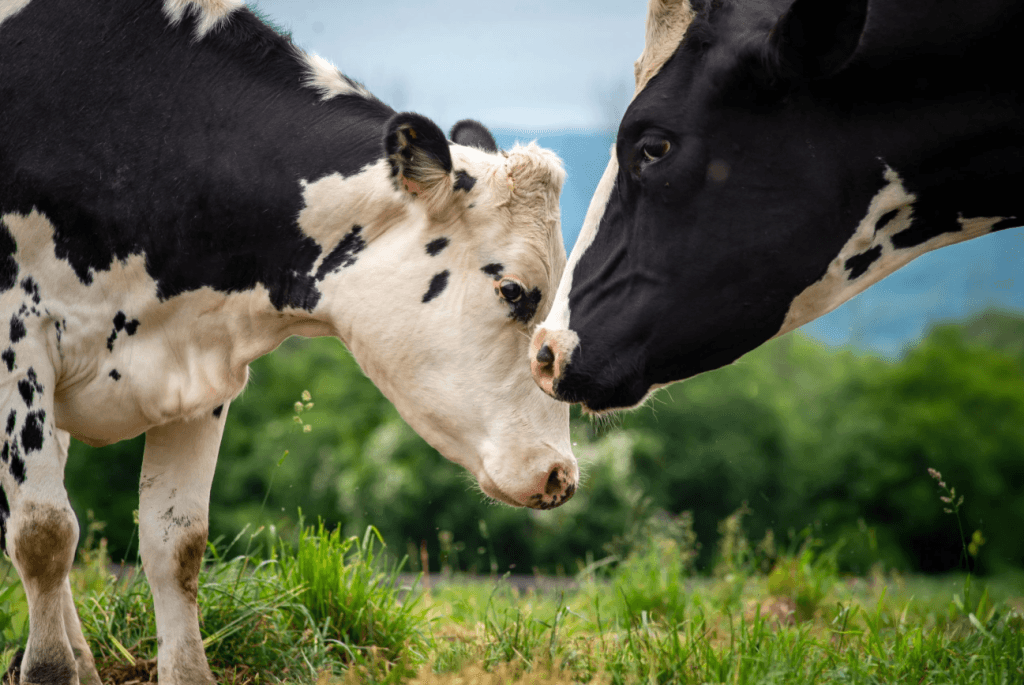
New findings from the Dairy HIGH2 research program in Australia suggest dairy farmers may be able to significantly reduce synthetic nitrogen fertilizer use without sacrificing pasture growth or milk production. Led by the Tasmanian Institute of Agriculture (TIA) and Dairy Australia, the $6.5 million Dairy HIGH2 partnership—extended in 2025 with an additional $1.2 million investment—is investigating how pasture-based dairy systems can remain productive while improving environmental sustainability.
Researchers reported that nitrogen fertilizer application could potentially be reduced from 300 kg per hectare to 150 kg per hectare, provided pastures maintain adequate white clover content, which naturally fixes nitrogen. Trial results from the Elliott Dairy Research Facility showed that farmlets receiving 150 kg N/ha achieved production levels comparable to those receiving 300 kg N/ha, while maintaining similar milk solids output.
Researchers identified white clover levels of around 20–30% in pasture as a key factor in reducing dependence on synthetic nitrogen. The project’s objective is to maintain forage production and milk solids per hectare while halving nitrogen fertilizer use, reducing input costs and environmental impacts. Results are now being shared through industry roadshows, field days and extension programs to support adoption across Australia’s dairy sector. Industry experts believe the findings could improve farm profitability, strengthen sustainability credentials and reduce reliance on imported fertilizer inputs. (University of Tasmania)
Source: Dairynews7x7 25 June, 2026 Read full story here
#DairyResearch #NitrogenManagement #SustainableDairy #PastureManagement #MilkProduction #DairyAustralia #DairyNews7x7