Latest Blogs
See More


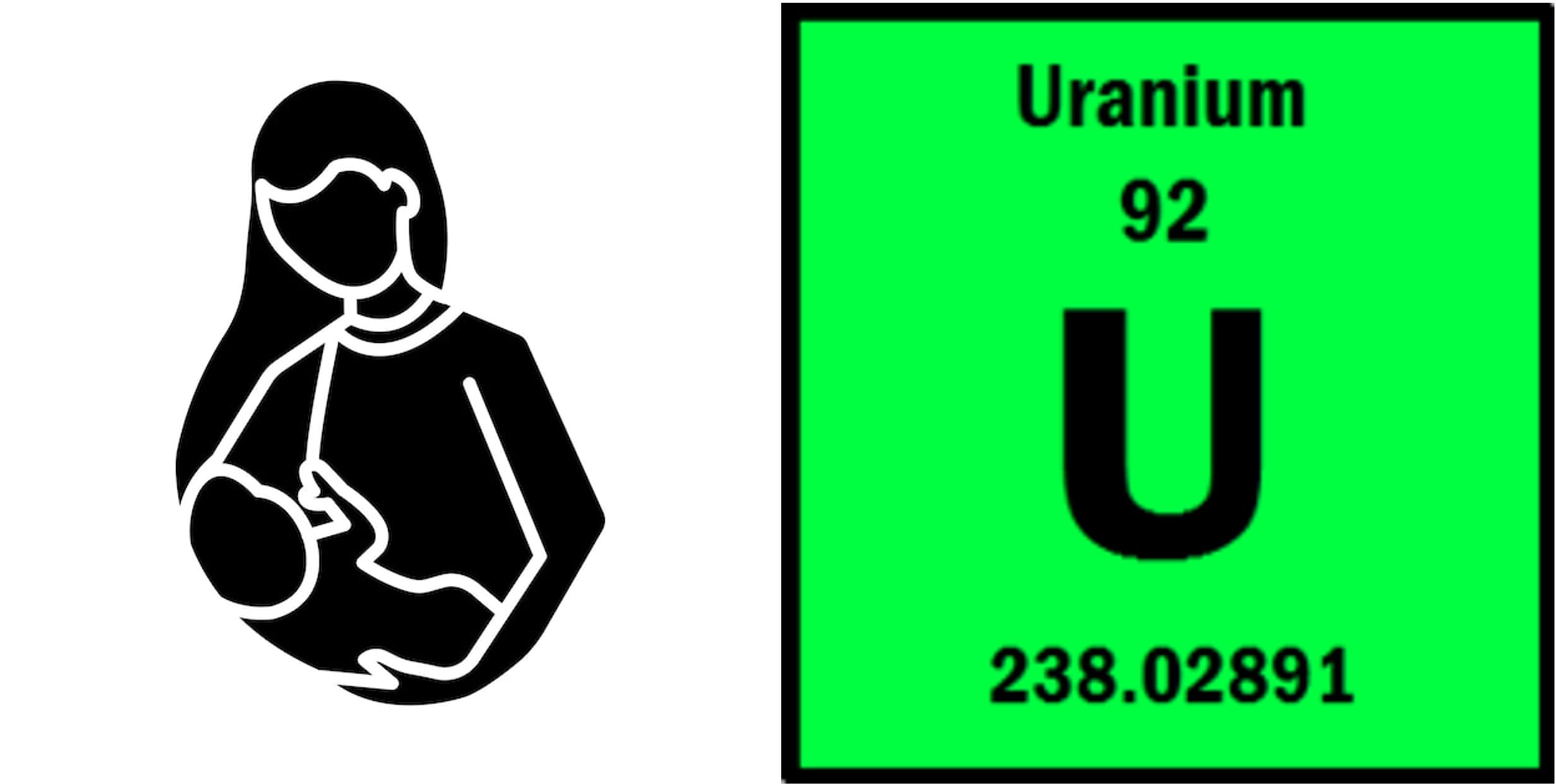
In a deeply concerning study carried out by the Mahavir Cancer Sansthan in Patna and AIIMS-New Delhi, researchers detected uranium in breast milk samples from mothers in six districts of Bihar — namely Bhojpur, Samastipur, Begusarai, Khagaria, Katihar, and Nalanda. The mothers in the study, aged between 17 and 35, showed uranium (U-238) in every single milk sample tested, with concentrations measuring from 0 up to 5.25 micrograms per liter.
The presence of uranium raises significant health red flags. According to the authors, roughly 70 percent of the infants whose mothers participated in this research may face non-carcinogenic health risks. These risks include kidney damage, neurological problems, and impacts on growth. Because uranium is a toxic heavy metal, even low-level exposure in infants can have long-term implications, though the study does not definitively establish cancer in this cohort.
One complicating factor is that there is no established safe limit for uranium in breast milk. Unlike other contaminants, regulatory guidelines for an acceptable concentration in human milk simply do not exist right now. This regulatory gap makes interpreting the risk even more difficult and underscores the urgency of further investigation.
The source of the uranium contamination remains unclear. Researchers are investigating several possibilities, including contaminated groundwater, discharges from industrial plants, and the use of chemical fertilizers that may contain trace uranium. These hypotheses are being explored because contaminated water is a common and plausible exposure route in the affected districts.
Despite the unsettling findings, the study’s authors strongly recommend continued breastfeeding. They emphasize that breast milk’s immunological and developmental benefits far outweigh the currently measured risks. Stopping breastfeeding, they argue, could lead to more harm than good — unless medical advice specifically suggests otherwise.
In response to the results, the researchers are calling for urgent action: biomonitoring programs should be established, water quality in the implicated districts needs to be rigorously tested, and public-health interventions must be launched to prevent further exposure.
Finally, some scientists are urging calm rather than panic. Several experts note that a portion of the uranium ingested by mothers is excreted through urine, and only a fraction appears in breast milk. But the presence of uranium in infant food (milk) remains deeply unsettling — especially given that we lack robust regulatory limits. At the very least, these findings highlight a critical and under-explored public-health concern that deserves immediate, serious attention.
Source : Dairynews7x7 Nov 25th 2025. TOI