Latest Blogs
See More


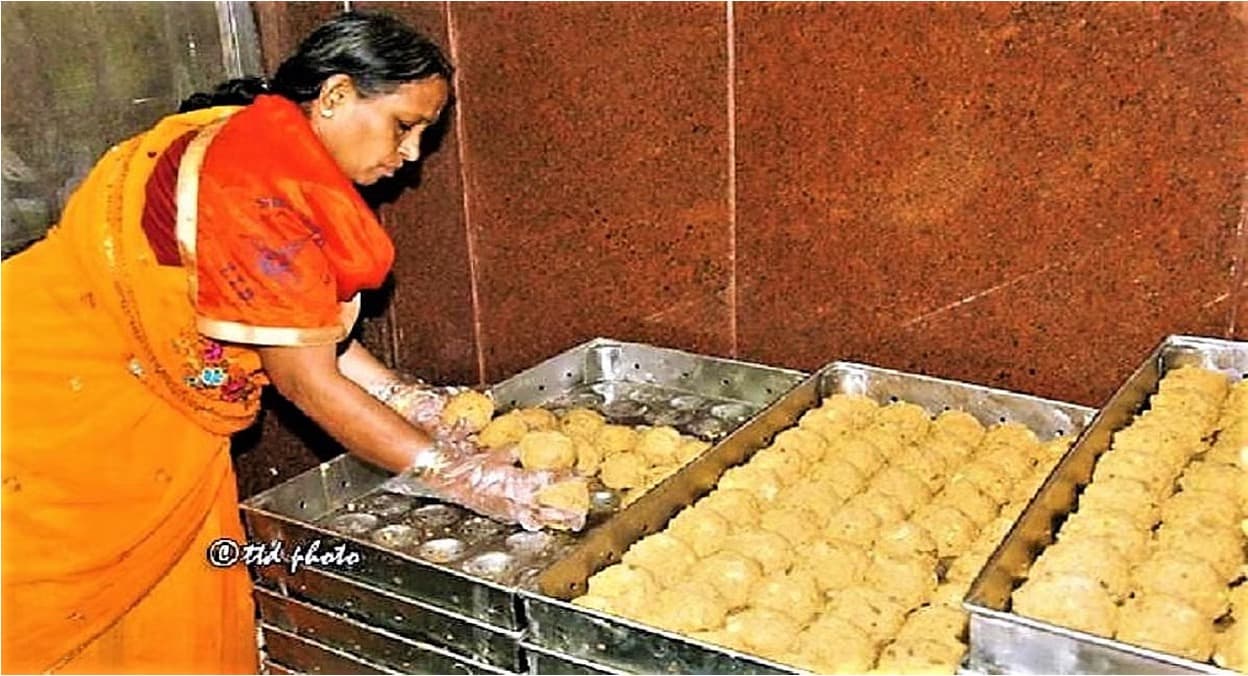
A dramatic food-fraud case has been unearthed involving the Tirumala Tirupati Devasthanams (TTD) and a supplier dairy. Between 2019 and 2024, the Bhole Baba Organic Dairy of Uttarakhand — led by promoters Pomil Jain and Vipin Jain — supplied around 68 lakh kg of ghee, valued at approximately ₹250 crore, to TTD despite never procuring any real milk or butter.
The dairy allegedly manufactured synthetic ghee using cheap oils such as palm oil and palm kernel oil, plus chemicals like mono-/diglycerides, acetic acid ester, lactic acid, β-carotene and artificial ghee essence to mimic the colour, flavour and texture of real ghee.
To bypass standard tests (e.g., the Reichert-Miessl value check used for ghee adulteration), they allegedly added acetic acid esters to boost the RM value and thereby trick quality-control labs.
Even after being blacklisted by TTD in 2022, investigators say the promoters continued supplying through proxy dairies such as Vyshnavi Dairy, Mal Ganga Dairy and AR Dairy Foods by relabelling and forging documents.
Why this matters for the dairy sector:
It exposes major vulnerabilities in the supply-chain of dairy fat products, especially in religious or large-scale institutions.
It underlines the need for tougher oversight, testing protocols and traceability — key areas for labs such as yours.
For dairy entrepreneurs and processors, it’s a warning: even bulk packaged commodities like ghee must be strictly audited and must meet true raw-material provenance requirements.
From a communications angle: when such scandals surface, trust in dairy brands and value-chains gets shaken — creating a demand for credible lab testing services and transparent supply-chains.