Latest Blogs
See More


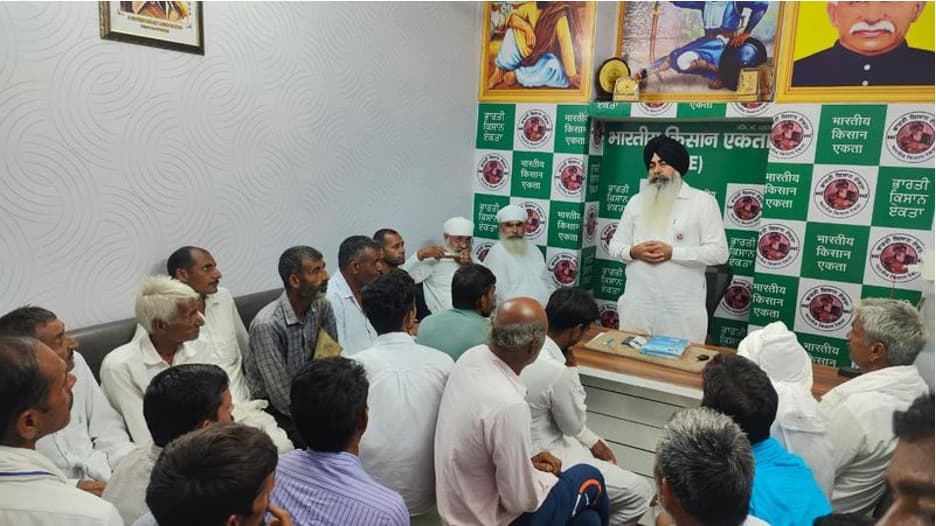
Farmers in Sirsa (along with those in neighbouring Punjab and Rajasthan) are reeling following the abrupt withdrawal of a private milk collection firm which had for years been a major buyer of their milk. The company had encouraged these farmers since 2004 to invest in dairy: building sheds, buying animals, and taking bank loans.
In 2018, the firm ceased milk collection without warning, triggering one round of heavy losses. Efforts by the Bharatiya Kisan Ekta (BKE) helped restart collection in 2022, prompting fresh investments in cattle, equipment and transport. However, on May 17, 2024, the company again suspended its operations in Sirsa without prior notice.
Farmers say they had been assured the company would buy milk directly from both large and small suppliers—and specifically had promised not to favour big traders. But they allege that, in practice, milk from small suppliers is being rejected, while low-quality milk from large traders is accepted—possibly due to corrupt practices in milk handling and commissions.
Facing another disruption, farmers fear their investments are now locked in, loans are mounting, livelihoods are threatened, and future planning is impossible unless the milk collection restarts soon. The BKE has declared its intention to file a detailed complaint with the company’s overseas head office and also threatened protests if the collection is not reinstated.
This incident shows the fragile nature of market dependency for small and marginal dairy farmers. When milk collection is suddenly discontinued, farmers suffer not just income loss, but also financial ruin due to prior investments—animals, infrastructure, loans—made in trust of promised procurement continuity.
Furthermore, the allegations of favouritism towards large traders and rejection of smaller producers highlight the need for transparent procurement systems, strong contracts, and regulatory oversight. Without these, cooperatives or private firms can create opaque selection practices that disadvantage the very segment they once promised to empower. In the long term, instability in collection networks can deter farmers from scaling up, undermine quality standards, and reduce trust in the organised dairy supply chain.
Source : Dairynews7x7 Sep 24th 2025 The Tribune