Latest Blogs
See More


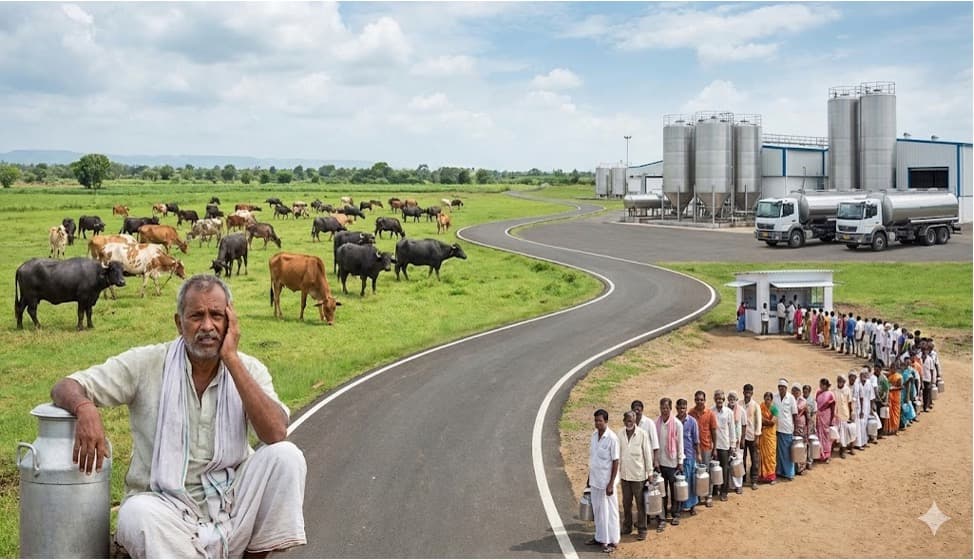
India today stands as the world’s largest milk producer, contributing nearly 25% of global milk output. National milk production reached 247.87 million tonnes in 2024–25, marking a 3.58% rise over the previous year. Per-capita availability has also climbed steadily, touching 485 grams per day, significantly higher than global averages. The dairy sector remains the backbone of rural India, supporting more than 8 crore families, and contributing 31% to India’s agricultural GVA and 5.5% to national GVA—making it the single largest agricultural commodity by value.
Species contribution data shows why India’s dairy engine continues to be driven primarily by buffaloes. Indigenous buffaloes supply 31.18%, non-descript buffaloes 11.97%, crossbred cattle 30.80%, indigenous cattle 11.20%, non-descript cattle 9.64%, and goats 3.32% of the national milk pool. Together, buffaloes contribute more than 43% of India’s total milk—reflecting cultural preferences for high-fat milk, which fuels traditional dairy products like ghee, khoa, paneer and sweets.
Production, however, is not evenly distributed. Five states—Uttar Pradesh (15.66%), Rajasthan (14.82%), Madhya Pradesh (9.12%), Gujarat (7.78%), and Maharashtra (6.71%)—account for 54% of India’s milk output. Cooperatives like Amul and NDDB-linked networks, along with large private dairies, have developed strong procurement infrastructures in these states. Yet even with this impressive scale, the dairy sector finds itself at what economists call a “paradox”: high national abundance, but limited productivity, low value capture for farmers, severe resource pressure, and slow structural transformation.
This paradox is rooted in several structural challenges. India’s per-animal milk productivity remains low compared with global standards, largely due to poor genetics, inconsistent feeding practices, fodder shortages and fragmented smallholder farming. A large share of milk still flows through the unorganised sector, making quality assurance and price stability difficult. Value addition remains underdeveloped; despite rising demand for cheese, yogurt, whey products and premium dairy, much of India’s policy and infrastructure still revolves around liquid milk. At the same time, livestock pressure on land, water and environment continues to rise, highlighting the need for climate-smart dairy practices. These contradictions make it clear that India’s vast dairy output alone cannot guarantee sustained farmer prosperity or global competitiveness.
To address these systemic gaps, a new generation of policy reforms is essential. First, India must strengthen animal productivity through a national mission focused on breed improvement, artificial insemination expansion, embryo transfer programmes and scientifically managed breeding services. Improving per-animal yield remains the single most important driver of farmer income growth. Parallel to this, a national fodder and feed security strategy is urgently needed. Chronic fodder shortages suppress milk yield and inflate production costs; long-term interventions must include high-yield fodder varieties, silage and hay infrastructure, community fodder banks, balanced feed promotion and support for feed manufacturing.
A third pillar of reform is animal health and disease control. India must expand veterinary services, deploy mobile veterinary units, digitise animal-health records, strengthen disease-surveillance networks and promote livestock insurance. These reforms directly protect farmers against income shocks. Equally important is shifting the dairy value chain from being volume-driven to value-driven. Policymakers must support investments in cheese, paneer, yogurt, whey, functional dairy ingredients and nutraceuticals—segments that fetch higher margins without requiring proportionate increases in milk volumes. Strengthening cold chains, establishing processing hubs and upgrading milk-testing infrastructure at every collection centre will ensure better integration of farmers into premium markets.
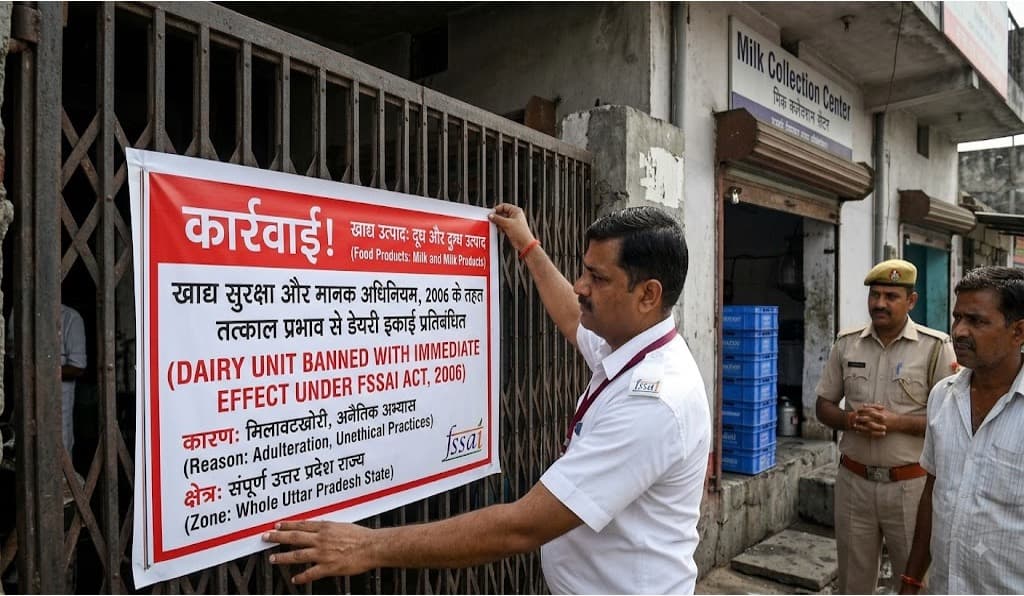
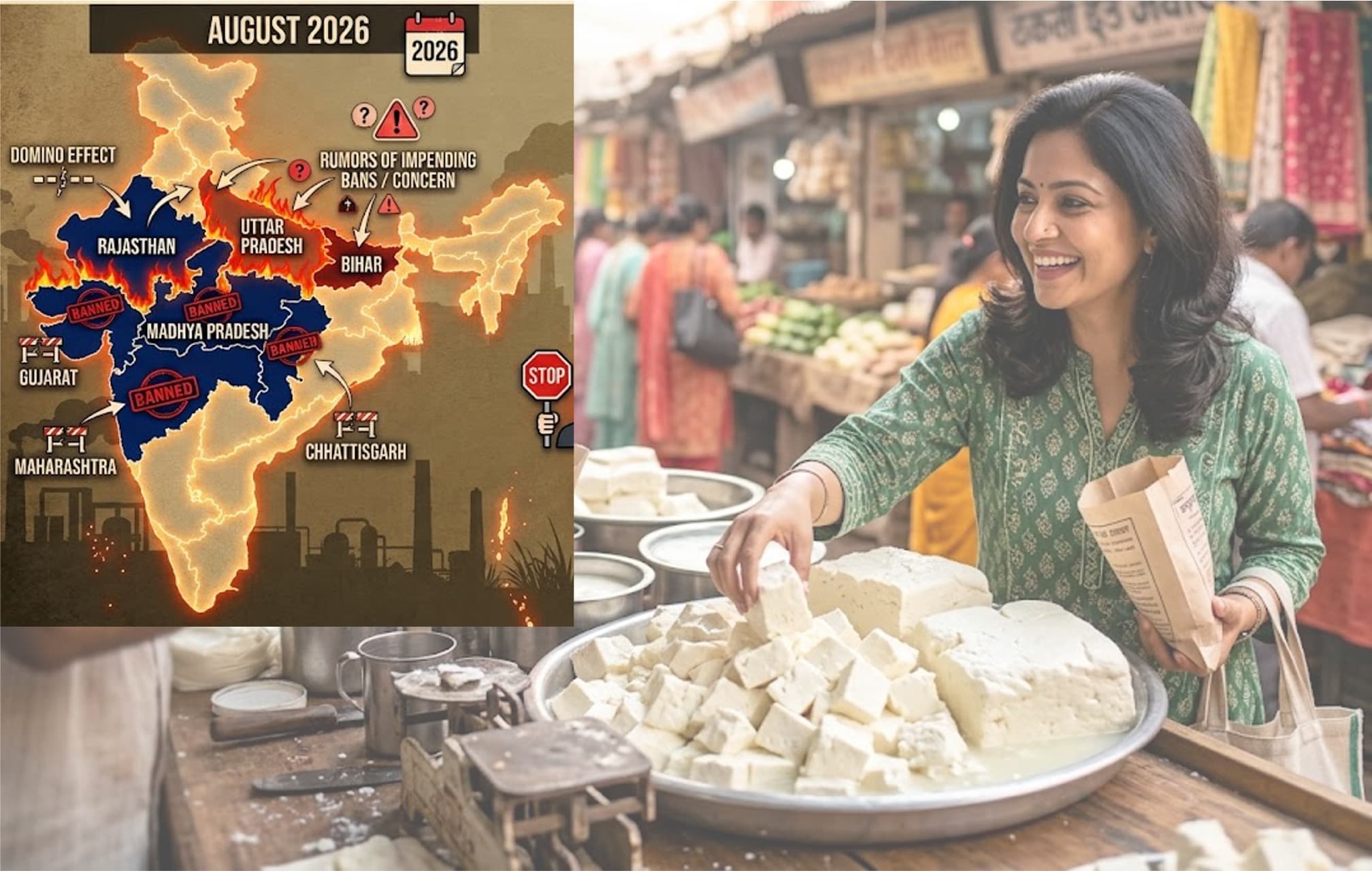
Reforming dairy governance is another powerful lever. India must strengthen cooperatives and farmer-producer organisations (FPOs) with transparent governance, digital procurement systems, and high-quality testing protocols at the village level. Formalisation of the dairy sector must accelerate through rationalised GST, simpler licensing for small processors and incentives for adopting traceability and hygiene systems. Stronger regulatory oversight from FSSAI is critical to curb the rising incidents of adulteration in ghee, paneer and sweets. Investments in modern labs, strict enforcement and harsh penalties for food fraud will help restore consumer trust.
Given India’s climate vulnerabilities, the dairy sector also needs a climate-smart transition. This includes water-efficient farming, biogas plants, manure management solutions, heat-stress mitigation technologies, and promotion of climate-resilient breeds. Linking sustainable dairy practices to carbon-credit frameworks can unlock new income streams for farmers. Finally, India must ensure financial and digital inclusion for dairy households. Timely access to credit, digital payments for procurement, training in farm economics, and inclusion in central schemes can stabilise incomes. Engaging rural youth through skilling in AI-based herd management, processing, logistics and dairy technology will help build the next generation of dairy leaders.
India’s dairy sector has achieved extraordinary scale, but sustaining this success requires moving from quantity to quality, from raw milk to value-added products, and from fragmented production to modern, climate-resilient systems. With the right combination of scientific, economic and institutional reforms, India can transform its dairy sector into a globally competitive, future-ready and farmer-centric ecosystem—one that not only produces abundantly, but aspires boldly.
Source : Dairynews7x7 Nov 30th 2025 Hindu BL and PIB