Latest Blogs
See More


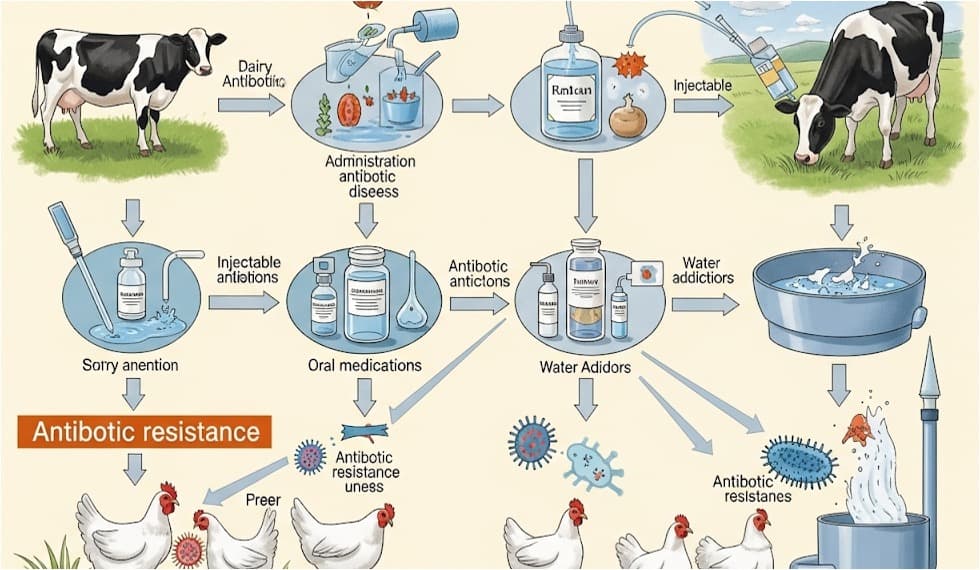
In a significant step to curb rising antimicrobial resistance (AMR), the Indian government has initiated stricter controls on the use of antibiotics in the dairy and poultry sectors. The Ministry of Fisheries, Animal Husbandry & Dairying (MoFAHD), in coordination with the Department of Animal Husbandry and Dairying (DAHD), is enforcing new guidelines that prohibit the indiscriminate use of antibiotics such as colistin and fluoroquinolones—commonly used in animal feed and disease prevention. These drugs are classified as "critically important" for human health by the WHO and are now being tightly regulated to ensure they’re not misused in animal farming.
The initiative also includes awareness drives for farmers, training of veterinarians, and promoting alternatives such as probiotics and vaccines. A national surveillance network is being set up to track antibiotic residues in animal products, including milk. The move is seen as a response to growing international scrutiny over food safety standards and AMR risks in India’s animal husbandry sector, especially after export barriers and red flags from global buyers over residues in dairy and poultry consignments.
These measures are expected to reshape on-farm practices and require significant investment in training, veterinary capacity, and testing infrastructure. Failure to comply could invite penalties and even impact export licenses.
Industry Insight:
Dairy processors must proactively adapt by ensuring residue-free milk supply through better farm-level protocols. This policy shift may raise short-term costs but will enhance product credibility, especially in global markets sensitive to AMR risks.
Source : Dairynews7x7 July 18th 2925