Latest Blogs
See More


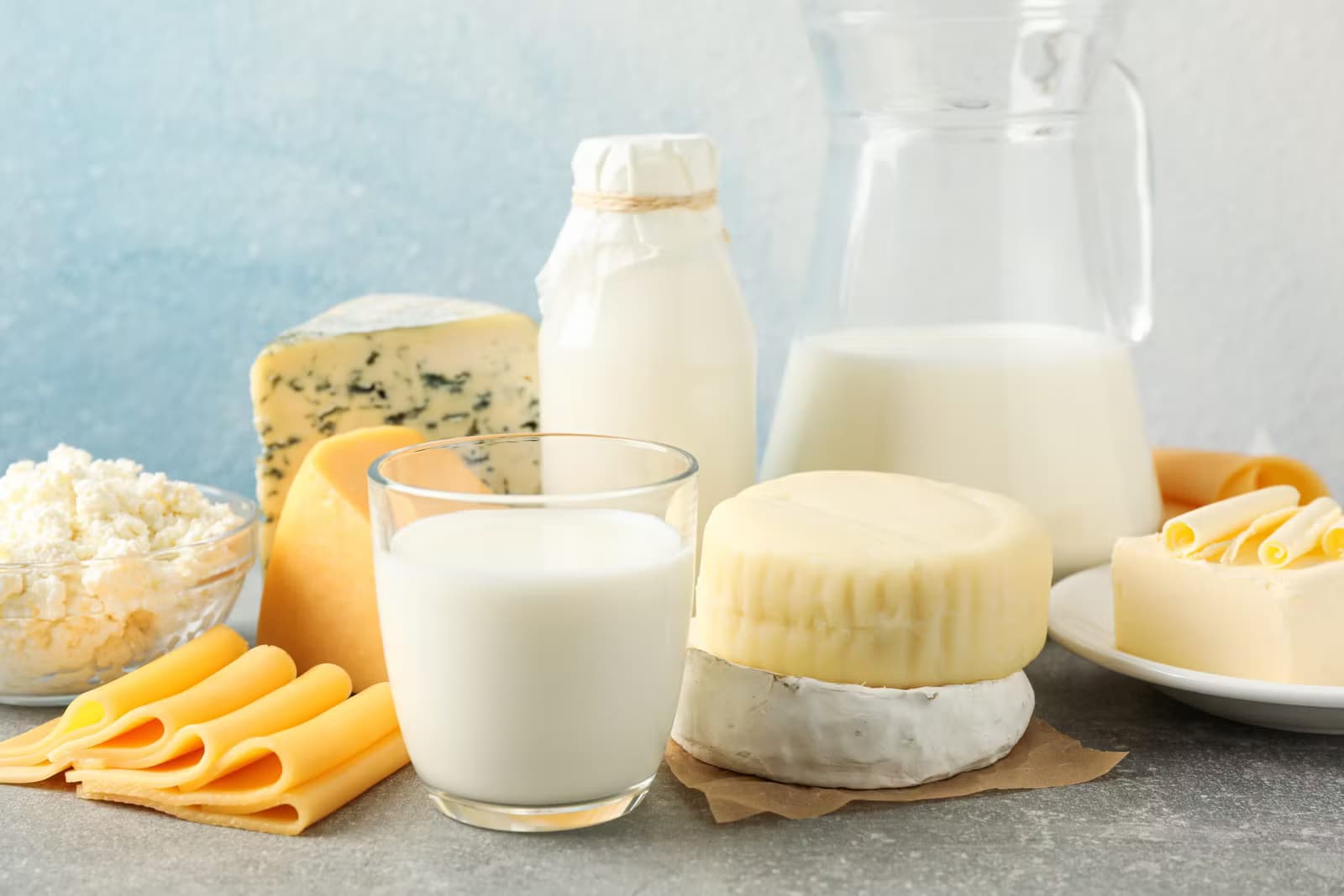
As India marks National Milk Day 2025 — commemorating the birth anniversary of Verghese Kurien, the architect of the “White Revolution” — the spotlight is on how modern dairy innovators are reshaping the sector for a healthier tomorrow. According to a recent report by News18, dairy firms and cooperatives across India are embracing new practices aimed at improving nutrition, ensuring food safety, and supporting sustainable livelihoods.
In recent years, advances in cattle-breeding, feed quality, farm hygiene, and processing technologies have significantly improved milk quality and nutritive value, helping milk remain a reliable source of protein, calcium and essential nutrients for millions of Indian households. The article underscores a shift from volume-driven production to a model balancing quality, animal welfare, and consumer health.
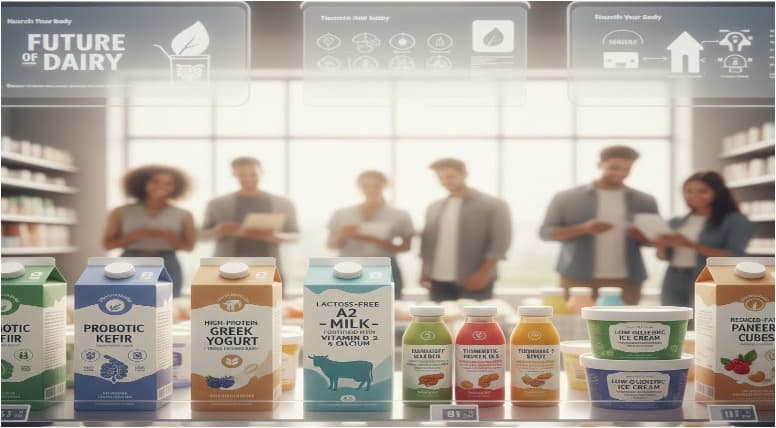
Several dairy manufacturers are also launching value-added and fortified dairy products — from high-protein milk variants to probiotic yogurts — catering to evolving consumer preferences for functional nutrition. Such innovations are being presented as part of a broader effort to address nutritional security, especially for children and elderly populations.
At the same time, increased adoption of cooperative-based milk procurement, better cold-chain logistics, and traceability practices are helping smallholders and rural dairy farmers secure stable incomes while ensuring consistent supply of safe, hygienic milk. This approach — rooted in community participation — aligns with the founding ethos of India’s dairy revolution.
The article suggests that on this National Milk Day, beyond remembering past achievements, it’s time to recognise the new generation of dairy stewards — those who build on the legacy with modern science, sustainability goals, and nutritional responsibility.
For Akshayakalpa Organic, this shift is both visible and deeply aligned with their long-term mission. “On National Milk Day, as we honour India’s dairy heritage, it’s clear that the role of milk is evolving," says Shashi Kumar, Founder & CEO, Akshayakalpa Organic. “Families today are seeking dairy that supports strength, wellbeing, and everyday health. This shift towards functional, purpose-driven dairy is shaping the next chapter of the industry.
While organic and functional dairy gain momentum, value-added products continue to be at the heart of the sector’s economic resilience. Dr K. Rathnam, CEO and Whole-time Director, Milky Mist, emphasizes their indispensable role, “Dairy continues to be an essential pillar of a healthy nation and rural livelihoods, especially through the growth of value-added products such as paneer, curd, cheese, and ghee. These categories not only enhance the daily diet of millions of families but also create economic sustainability for farmers across the country."
A significant portion of this progress is driven by women, who today play a larger role in farm operations and financial decision-making. Milky Mist’s model of sourcing milk directly from farming communities ensures higher returns through value addition. “This approach strengthens income stability, supports women’s economic participation, and contributes to the broader vision of an Atmanirbhar dairy sector," notes Dr Rathnam.
For consumers and policymakers alike, the current shift positions India’s dairy sector not just as a source of livelihood for millions of farmers, but as a backbone of national health and rural development, reflecting the enduring promise of milk for future generations.
India has taken deliberate steps to tackle widespread micronutrient deficiencies (notably Vitamin A and D) by fortifying packaged milk — a policy that aims to improve public health through a staple food. Under a national initiative backed by the food regulator FSSAI and agencies such as Tata Trusts, milk unions and cooperatives have begun fortifying processed milk.
For example, in states like Haryana, the Dairy Development Cooperative processes hundreds of thousands of litres daily, of which a portion is fortified with vitamins, making fortified milk accessible to consumers as a preventive intervention against micronutrient deficiency.
This demonstrates how India’s dairy sector — beyond being just about milk yield — is evolving to meet public-health goals, turning milk into a vector for improved nutrition, especially beneficial for children, women, and vulnerable populations.
MilkLane, a Bengaluru-based dairy firm, is positioning itself as a pioneer in “clean milk” — prioritizing toxin-free, antibiotic-free supply, and transparent sourcing. They also expanded into ready-to-eat dairy-based foods (branded under “Nutrinos”), aiming to cater to urban consumers hungry for convenience, safety, and nutrition.
By combining food safety (milk free of contaminants), quality control, and market-driven product diversification, MilkLane shows that private-sector dairy enterprises can help mitigate legacy issues in India's dairy supply — while delivering value-added products suited to modern urban lifestyles.
Hatsun Agro, a major private dairy company headquartered in Chennai, recently announced plans to launch protein-enriched dairy products to tap into rising health-conscious demand. They expect ~15% revenue growth in the current fiscal year, buoyed by these new offerings and favorable tax reforms in the dairy sector.
The company’s strategy reflects a larger shift: dairy firms are not just selling plain milk — they’re positioning dairy as a health and nutrition solution adapted for modern consumers. This trend helps create added value, encourages higher-quality milk procurement, and offers stronger margins, which supports the entire dairy value chain from farmers to consumers.
The cooperative behind Amul is pushing Indian dairy beyond national boundaries. Under ongoing global expansion plans, Amul is leveraging its huge procurement base and scale to deliver processed dairy and fresh milk to international markets — positioning India as a global dairy supplier.
At home, the scale and reach of Amul’s cooperative model ensure small producers can participate, rural incomes stay protected, and consumers across India get access to quality milk and dairy products — reinforcing the principle that dairy can help solve both economic and nutritional challenges together.
Milk as nutrition + public-health tool: Fortified milk is emerging as an accessible intervention to address vitamin A and D deficiency.
Quality, safety, and transparency matter: Organic dairies, private firms and cooperatives are improving milk value by focusing on feed, hygiene, cold-chain, and traceability.
Value-addition over volume: Cheese, fortified milk, ready-to-eat dairy, protein-rich dairies — the sector is shifting from just producing milk to delivering nutrition and convenience.
Rural livelihoods + modern dairy economy: Startups and cooperatives alike are integrating farmers into supply chains that pay for quality, not just quantity.
Global ambition + local welfare: Indian dairies are leveraging global demand to strengthen supply chains and improve incomes, while maintaining the cooperative ethos.