Latest Blogs
See More


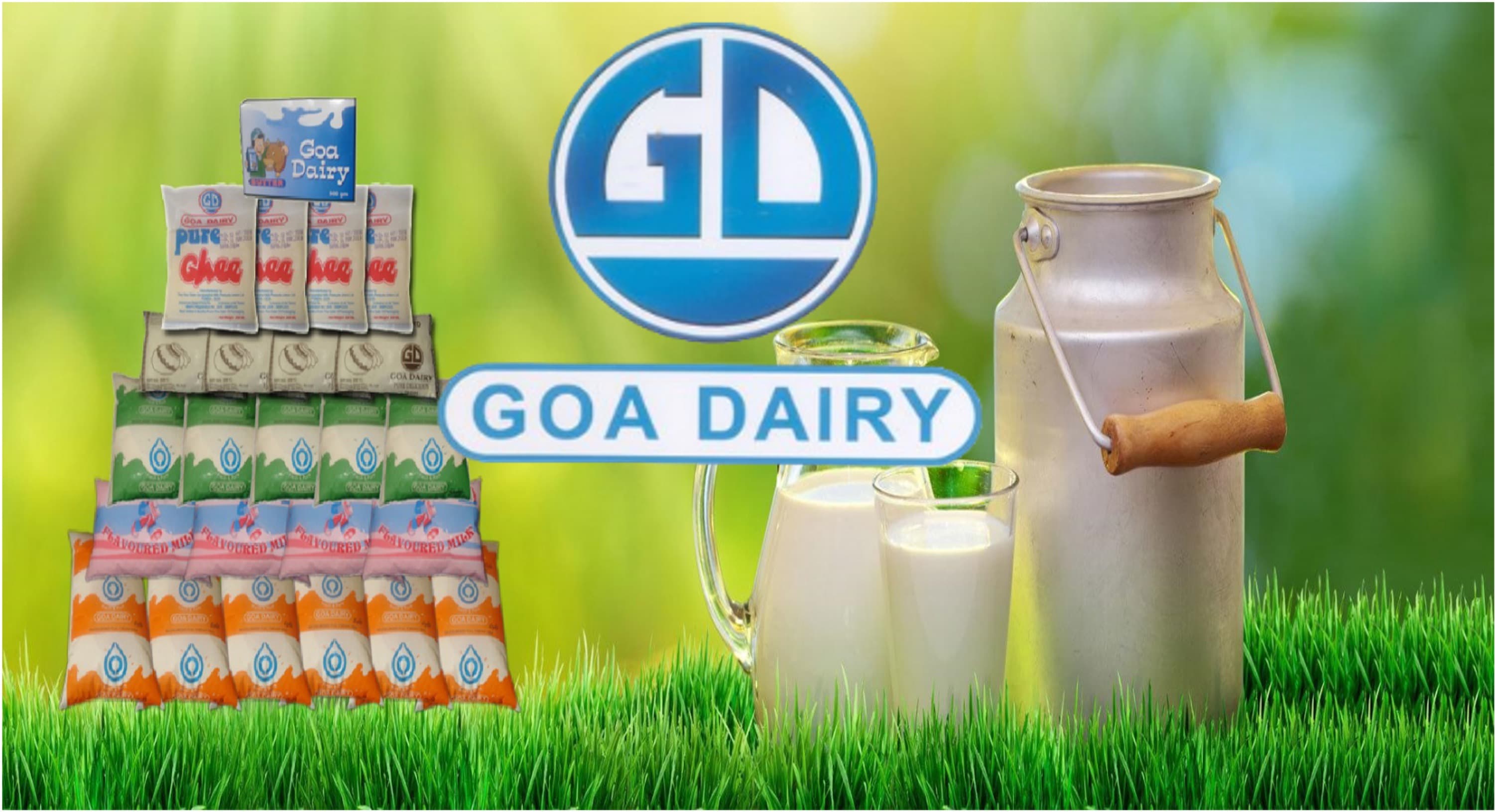
The Goa State Co‑operative Milk Producers’ Union Ltd (popularly known as “Goa Dairy”) will remain unaffected by strike action for the next six months after the Essential Services Maintenance Act, 1988 (ESMA) was invoked by the Government of Goa. The move comes in response to a strike notice issued by dairy union workers of the Goa Milk Union Employees Association and the Gomantak Mazdoor Sangh ahead of a midnight start on November 10.
An official order dated November 8 and signed by the Under-Secretary (Home) stated that the dairy sector — covering procurement, production, transportation, distribution and retail supply of milk and milk-products in the state — is subject to the ESMA restrictions for six months starting immediately.
Union leaders had demanded overdue dearness allowances and other long-standing benefits, and threatened a work stoppage. While dairy workers insisted they would proceed with protest action, the government emphasised that any disruption in milk supply would impact public health and welfare.
Industry Insight:
Dairy operations are now officially treated as an essential service in Goa; any stoppage in this supply chain is legally prohibited under ESMA.
This sets a precedent for how state governments may treat large-scale cooperative dairies in India, especially where public supply of milk is involved.
For dairy cooperatives and processors elsewhere, the lesson is clear: labour disputes can trigger regulatory escalation — hence proactive stakeholder engagement is critical.
From a policy angle, recognising milk supply as essential reinforces the importance of uninterrupted cold-chain logistics, farmer-procurement stability and contingency planning.