Latest Blogs
See More


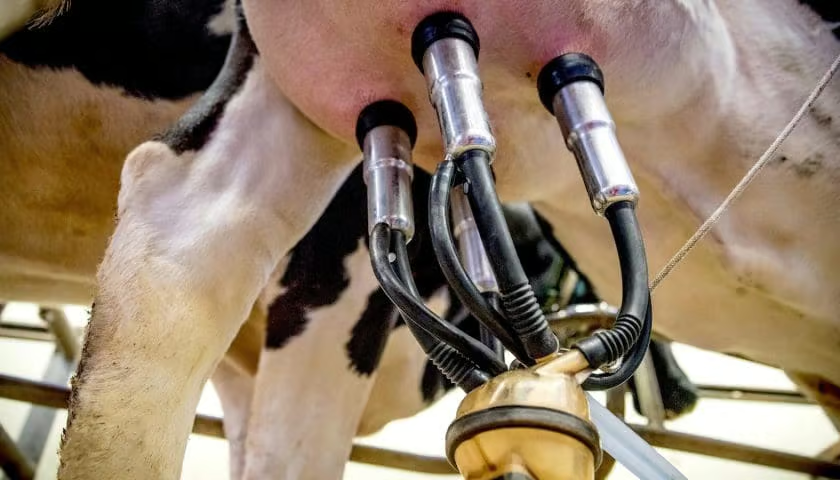
Health experts and nutritionists have urged authorities to intensify enforcement against the use of analogue or "faux" paneer in restaurants, hotels, cloud kitchens and catering establishments, warning that consumers may unknowingly be served vegetable oil-based substitutes instead of genuine milk paneer.
The appeal follows recent regulatory action against analogue paneer in several states and growing concerns over consumer deception and nutritional loss. According to medical experts, analogue paneer is manufactured using vegetable oils—primarily palm oil—along with starches, additives and other ingredients, making it significantly different from traditional paneer produced from milk, which is valued for its protein, calcium and essential nutrients.
Doctors stressed that the issue extends beyond taste and quality, as many consumers, including children, senior citizens and individuals on high-protein diets, specifically choose paneer expecting its nutritional benefits. Experts have called for mandatory disclosure on restaurant menus and food labels whenever substitute dairy products are used, ensuring consumers can make informed food choices.
The demand for stricter monitoring follows a large-scale enforcement drive in Gujarat, where the Food and Drugs Control Administration (FDCA) inspected thousands of food establishments and seized stocks of illegally supplied analogue paneer, cheese and butter products, exposing concerns over imitation dairy products entering the food supply chain.
Health experts also recommended random sampling, laboratory testing and strict penalties for businesses found misrepresenting synthetic dairy products as genuine paneer, noting that analogue paneer can closely resemble real paneer after cooking, making visual identification difficult for consumers.
They further advised that genuine paneer is generally soft and crumbly, whereas imitation paneer may appear rubbery, sticky after breaking, become chewy on heating, have an unusual aftertaste, or show a blue-black colour when tested with iodine due to starch adulteration. Products sold at unusually low prices may also indicate adulteration or poor quality.
The development highlights growing nationwide attention on food authenticity, transparency and consumer protection as regulators and healthcare professionals call for stronger oversight to prevent misleading food practices and safeguard nutritional quality. (bangaloremirror.indiatimes.com)
Source: Dairynews7x7 7 Aug, 2026 Read full story here
#Paneer #FoodSafety #MilkAdulteration #RestaurantCompliance #DairyQuality #ConsumerProtection #DairyNews7x7