Latest Blogs
See More


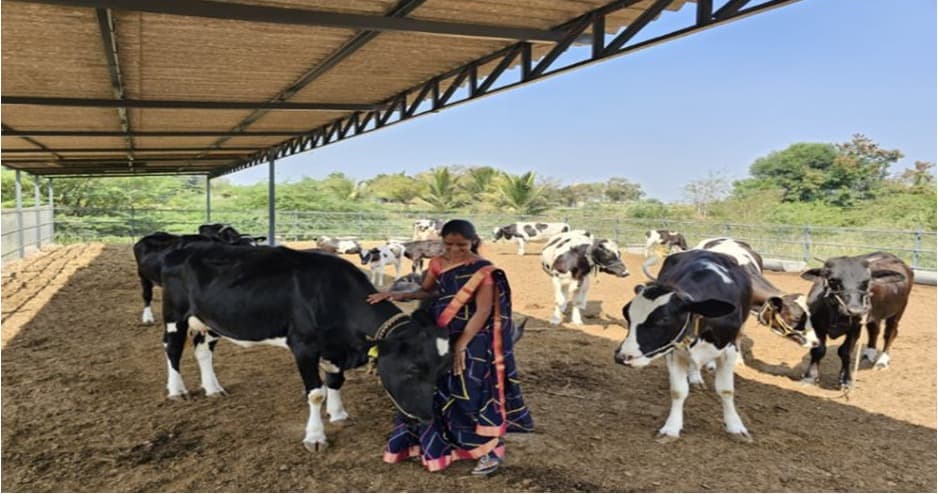
Abbott’s CSR initiative Project Ksheersagar, launched with TechnoServe, has reached around 12,000 dairy farmers across Maharashtra, Andhra Pradesh, Karnataka, and Tamil Nadu. Through improved practices, infrastructure support, and training, the program claims to have increased milk production by 55 percent and doubled farmer incomes, while lowering veterinary costs by 60 percent.
Industry Insights (Dairy Focus):
1. Scale & reach:
Project Ksheersagar currently serves 12,000 farmers and covers 51,000 dairy animals. To support this, Abbott and TechnoServe have established 130 village-level milk collection centers with cold storage to ensure quality, reduce spoilage, and streamline linkages between farmers and procurement.
2. Productivity & income uplift:
The reported 55 % rise in milk output suggests that interventions like improved feed, animal health, breeding practices, and farm management are showing results. Equally noteworthy is a claim of doubling farmer incomes—this implies not just volume gains but better value capture and reduced costs. Moreover, veterinary costs are said to have dropped by 60 % due to preventive health practices and better animal care protocols.
3. Supply chain & sourcing strategy:
Abbott aims to source 60 % of its milk powder requirements from farmers participating in this program. That degree of backward integration helps them assure quality, traceability, and continuity of supply—essential in nutrition/dairy products.
4. Implications & lessons for Indian dairy sector:
Public–private models can scale: A corporate-backed rural development model that combines technical training, infrastructure (cold chain, collection points), and value linkage shows promise in bridging gaps that cooperatives or government alone often can’t.
Quality & standards matter: For a nutrition brand like Abbott, the upstream milk must meet high standards (hygiene, fat, SNF). The success of Ksheersagar suggests that farmers can be brought up to those standards with support.
Risk mitigation & sustainability: Reductions in veterinary costs and antibiotic dependence hint at more sustainable practices. However, long-term sustainability will depend on stable markets and institutional continuity.
Replication potential: The model can be replicated in other states or dairy clusters, especially where smallholder fragmentation and low productivity remain constraints.