







The Tamil Nadu Co‑operative Milk Producers’ Federation (Aavin) says it procured 81 tonnes of butter in October to meet festive demand, only for the consignment to be discovered spoiled a few weeks later. The butter, supplied by Kirpa Ram Dairy Private Limited (based in Uttar Pradesh), was valued at ₹4.21 crore. After complaints from staff at the Madurai processing unit, a foul odour and signs of spoilage triggered a quality control inspection.
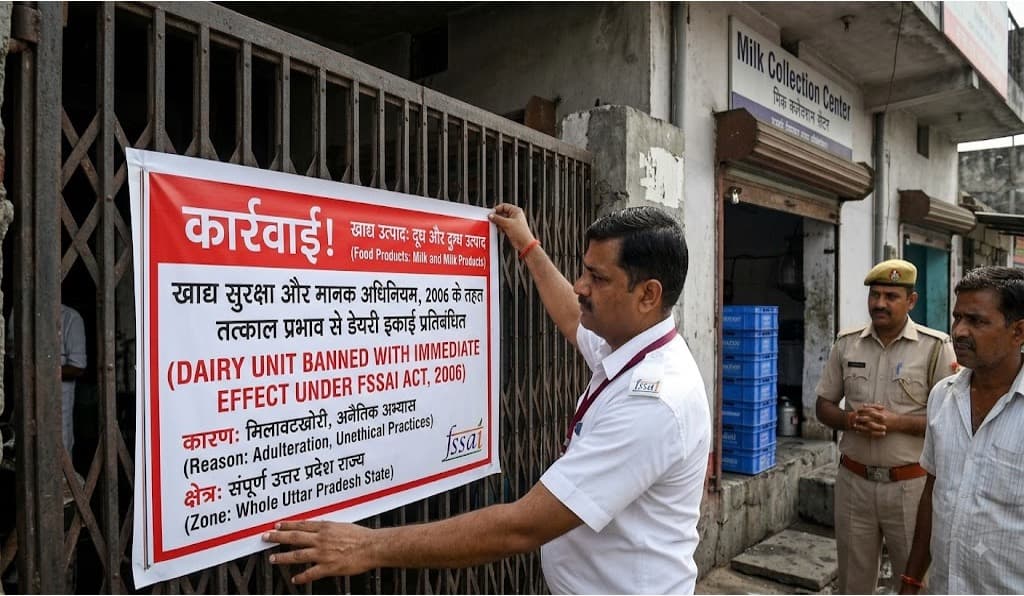
According to the inquiry initiated by Aavin and confirmed by the Minister for Milk & Dairy Development T. Mano Thangaraj, preliminary findings indicate the butter may have been compromised due to improper preservatives or storage failure. The supplier firm has been black-listed by the federation pending the completion of test-results and a full report. The minister affirmed that stringent action will be taken once the investigation is concluded.
This incident follows closely on the heels of the national spotlight on dairy supply-chain integrity — notably, spells of spurious ghee supply to Tirumala Tirupati Devasthanams (TTD) earlier this year. Aavin officials say that the timing (just before festivals) raised the risk of supply-chain pressure leading to weaker quality checks and storage vulnerabilities. With butter and ghee being high-value, high-risk items in the dairy value chain, the event has triggered renewed focus on procurement, storage temperature maintenance, preservative audits and supplier vetting.
Aavin has instructed the supplier to recall the entire batch, initiated a detailed testing of each sub-lot, and set up a review of storage and handling procedures at its chilling and processing centres. The federation emphasises it remains committed to safeguarding the interests of its farmer-members and consumers, but acknowledges the reputational risk inherent in high-volume festive procurement. The outcome of the inquiry may influence future supplier contracts, storage standards and monitoring regimes across the state’s cooperative dairy network.
Industry Insights
This case serves as a reminder for dairy processors and cooperatives that high-volume procurement ahead of festivals demands enhanced risk-mitigation protocols — beyond just standard quality control. Key lessons include: rigorous supplier vetting, especially for high-value items like butter/ghee; cold-chain integrity verification (storage temperature, holding time, logistics); and the importance of clear preservative and additive documentation (compatibility with long-haul supplies). For labs and testing services, this event likely signals an increase in demand for on-site rapid spoilage detection, preservative residue screening and audit-ready supplier quality verification services.
Source : Dairynews7x7 Nov 13th 2025 Read full story here