Latest Blogs
See More

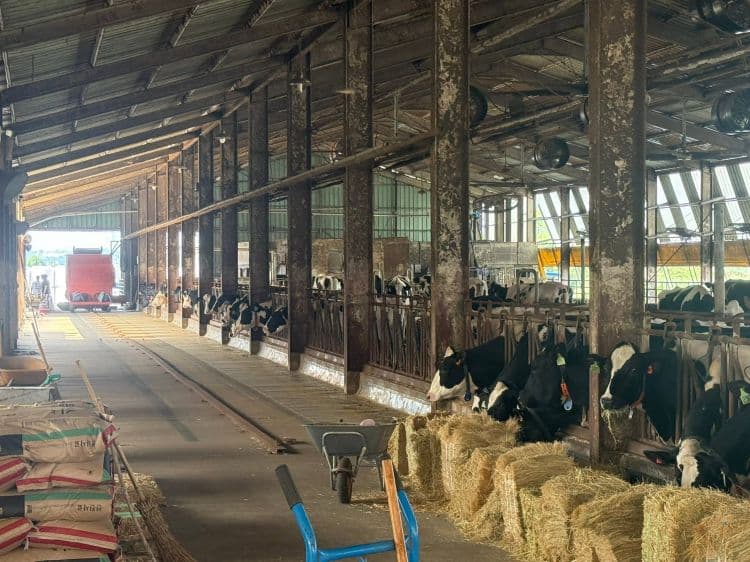
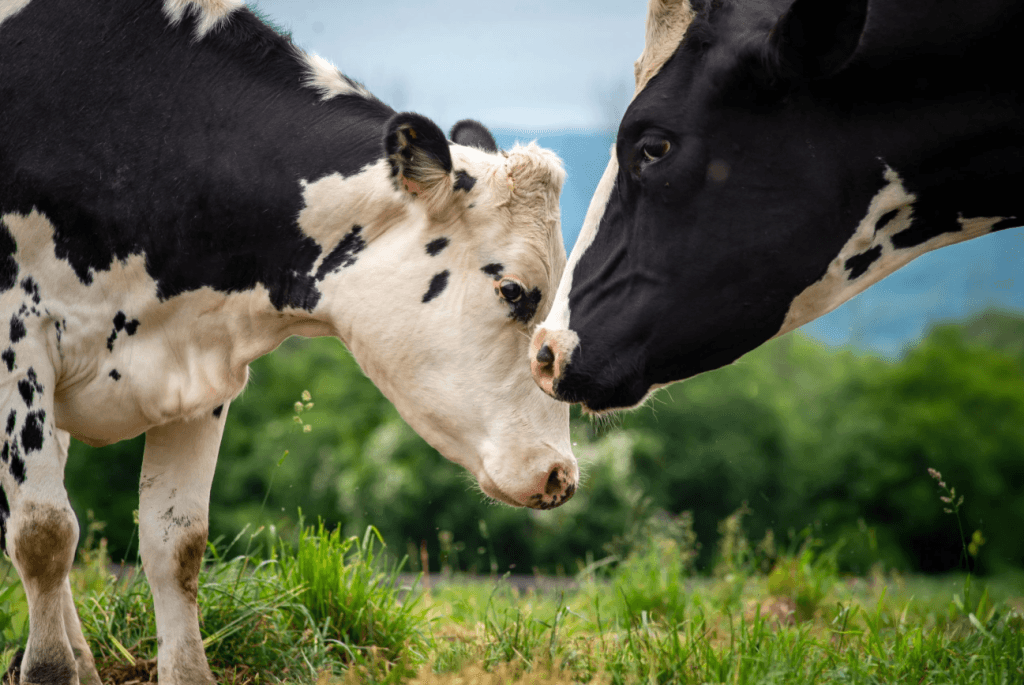
South Korea’s dairy industry is demonstrating how technology, milk quality incentives, and efficiency-focused management can support profitability in a challenging production environment. Insights shared by Michigan State University Extension following a visit to Youngmin Farm in Pyeongtaek-si highlighted a family-owned operation milking 65 Holstein cows using an automated robotic milking system, with electronic identification tags monitoring individual cow performance.
The farm markets milk through a fluid milk system and maintains somatic cell counts below 100,000 cells/ml, well under the 200,000 cells/ml threshold required to qualify for premium milk payments. The herd averages approximately 70 pounds (31.8 kg) of milk per cow per day. Unlike market-driven pricing systems, South Korea operates under a government-established base milk price, providing greater price stability for producers.
Efficiency remains critical, with cows producing less than 25 kg (55 pounds) of milk per day typically removed from the herd. With nearly 70% of the country covered by mountainous terrain, dairy farms import around 95% of feed ingredients, relying on rations containing cottonseed, soybeans, dried distillers grains, and hay.
The farm reported conception rates between 50% and 70%, an 80-day voluntary waiting period, and breeding of heifers at 15–16 months of age. Industry observers note that South Korea’s dairy sector combines advanced technology, strict milk quality standards, and structured pricing mechanisms to maintain competitiveness despite land and feed supply constraints. (AgriNatural Resources College)
Source: Dairynews7x7 24 June, 2026 Read full story here
#SouthKoreaDairy #MilkQuality #DairyTechnology #DairyFarming #HolsteinCattle #MilkProduction #GlobalDairyNews