Latest Blogs
See More


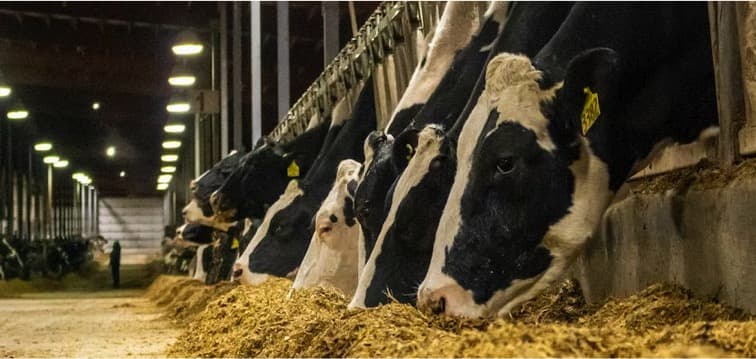
As commentators are fond of pointing out from a sustainability perspective the most productive farms, the most productive cows, are also those that are the most sustainable with the lowest carbon footprint. As they say if all cows in the world performed at same standard as the average US cow would reduce the global carbon footprint by 90%. Despite this it is an irony that the most sustainable cows are still those that seek the most improvement and those producers are typically those embracing technology to make this happen.
In a year when dairy profitability is as good as any time in recent history, it might seem like a strange time to talk about the sustainability of our current model of milk production. Critics of dairy production don’t evaluate sustainability in terms of our ability to pass the farm to the next generation, and they are putting milk farms are squarely in the crosshairs. Livestock farming in general is the target of diverse groups, with Governments and even the UN focused on forcing changes in production. There are three main threats to Dairy: lowering the carbon footprint, assuring continued availability of affordable water and a qualified labor force.
Hotter summers, with the lack of rain and wildfires, have equally created havoc on our dairy farms. The resulting challenges are clear. Water consumption and increased water prices presents clear and real dangers, while working in over 100 degrees presents challenges in finding the right people to work on the farm.
The word sustainability is challenging to address when it is defined differently by different agencies. Add to that questions that ESG as it is becoming increasingly known accommodates a lot of different and competing demands which can be contradictory. Farmers concern is that ESG is a stick to beat them with, a slippery slope of activist demands, often out of step with the delivery of food that today is affordable and safe.
What is the path out of this? The food business demonstrates what is possible, re-imagine sustainability through better farming. Technology is part of how producers respond to ESG demands.
As I opened with in this article, however, the best way forward to lower the footprint of dairy farms is to increase the productivity per cow in terms of milk production, and the conversion of nutrition into milk. Researchers also suggest that the carbon footprint of a cow with more lactations is lower than a cow with fewer. One proposal to improve the sustainability of dairy production globally has been to bring all cows up to US productivity levels, and in such a case the world wouldn’t need to have 300 million cows but just 30. More radically if cloning is allowed, and we could achieve the same level of milk production from all cows as we have with a cow with the world’s record for production, we could cut the global herd to just 3 million cows. Activists may not be ready for this solution, but it demonstrates the core fact that highly productive farms are also the ones with the lowest environmental footprint. And the best farms in the world are those who are embracing technology most quickly, and likely to continue to maintain their lead over their less-performing counterparts.