Latest Blogs
See More

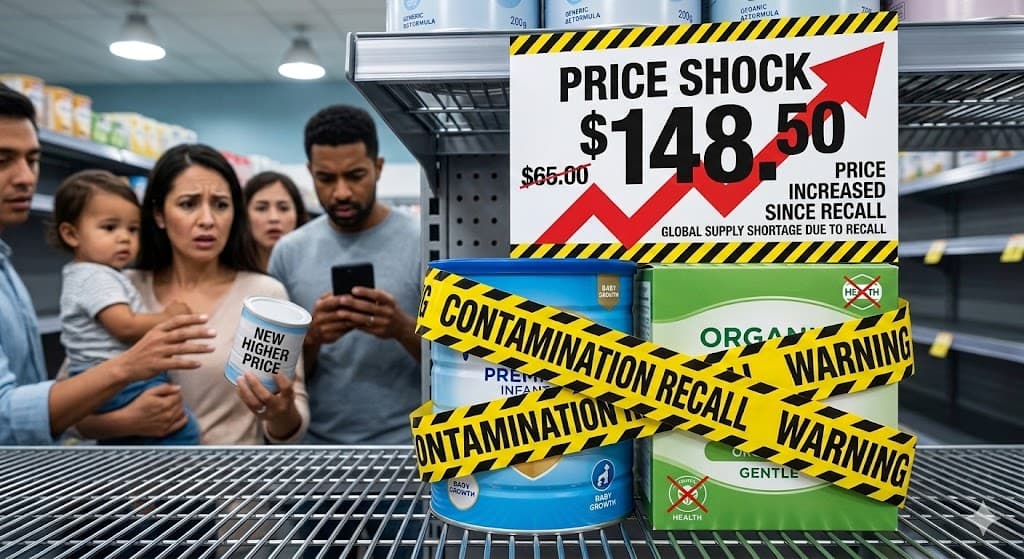
A recent report published in the BMJ has highlighted a sharp and unexpected rise in infant formula prices following a contamination scare that triggered recalls across several major markets. The episode has raised concerns among health experts, policymakers and consumer advocates about the fragility of global infant nutrition supply chains and the pricing power of large formula manufacturers.
The disruption began in early 2026 when contamination fears emerged involving the bacterial toxin cereulide, produced by Bacillus cereus. The toxin was detected in ingredients used in infant formula production, prompting precautionary recalls across multiple countries, particularly in Europe and the United Kingdom. Several major multinational dairy companies — including Nestlé, Danone and Lactalis — were affected by the recalls as authorities moved quickly to remove potentially contaminated products from retail shelves.
As the recalls unfolded and supply tightened, the infant formula market experienced significant price volatility. Data cited in the report indicate that prices of certain infant formula products increased by as much as 45 percent compared with levels before the recall episode. Across major UK retail chains, a review of comparable products showed that 157 out of 310 infant formula products registered price increases during the period following the contamination scare. On average, these price increases ranged between 9 and 10 percent, although some premium or specialty products experienced far steeper rises due to limited availability.
The price surge was largely driven by a combination of supply disruption and heightened consumer demand. Large-scale recalls reduced available inventories at retail and distribution levels, while parents and caregivers responded to shortages by purchasing alternative brands or stockpiling available products. This sudden imbalance between supply and demand created upward pressure on prices across multiple brands and product categories.
Food safety authorities initiated the recalls after concerns that exposure to cereulide could pose health risks to infants. The toxin, produced by certain strains of Bacillus cereus, is associated with gastrointestinal illness and can cause vomiting and other symptoms when present in contaminated food products. Although precautionary recalls were implemented rapidly, the incident triggered anxiety among parents and healthcare professionals, further intensifying demand pressures in the market.
The situation has also reignited debate over the structure of the global infant formula industry. Public health experts and consumer advocacy groups argue that the market is dominated by a small number of multinational producers, giving companies considerable influence over pricing dynamics when supply shocks occur. Critics have called for stronger regulatory oversight, improved safety monitoring of dairy ingredients, and greater transparency in formula pricing practices.
Advocacy organisations have additionally urged governments to strengthen food safety surveillance systems and ensure clearer communication to parents during recall events. They also stress the need for safeguards that protect vulnerable families from sudden price increases in essential nutrition products.
The contamination incident and subsequent price surge have highlighted the sensitivity of infant formula supply chains to safety disruptions. As global demand for formula continues to grow, particularly in Asia and emerging markets, experts say regulators and manufacturers will face increasing pressure to ensure both safety resilience and affordability in the infant nutrition sector.
Source : Dairynews7x7 March 5th 2026 Read full story here
#InfantFormula #FoodSafety #DairyIndustry #ConsumerProtection #FoodSupplyChain
Title Image credit Gemini