Latest Blogs
See More


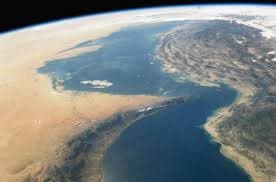
Escalating geopolitical tensions around the Strait of Hormuz are creating new risks for the global dairy sector by disrupting key inputs such as energy, fertilisers and shipping routes. The strait carries nearly 30% of global oil shipments and about 20% of liquefied natural gas (LNG), making it vital for energy-intensive industries like dairy processing that depend heavily on fuel for refrigeration, transport and manufacturing.
The ongoing crisis has already pushed war-risk insurance premiums higher and forced some shipping companies to suspend or reroute traffic, leading to longer transit times and rising freight costs for global food and dairy supply chains. Analysts warn that the biggest indirect impact on dairy could come from fertiliser markets, as between 20% and 50% of global fertiliser shipments pass through the Strait of Hormuz, exposing agriculture and livestock feed production to supply disruptions and price increases.
The Middle East Gulf is also a major source of fertiliser inputs such as sulphur, with around 50% of global seaborne sulphur trade—about 20 million tonnes annually—originating in the region, making the agricultural sector particularly vulnerable if the disruption continues. Experts say that while dairy markets have not yet seen immediate supply shortages, higher energy, fertiliser and logistics costs could significantly increase production expenses for dairy farmers and processors worldwide if the crisis persists.
Source: Dairynews7x7 11th March, 2026 Get full story here
#GlobalDairy #HormuzCrisis #DairySupplyChain #FertiliserPrices #EnergyCosts #DairyMarkets #AgricultureTrade