Latest Blogs
See More

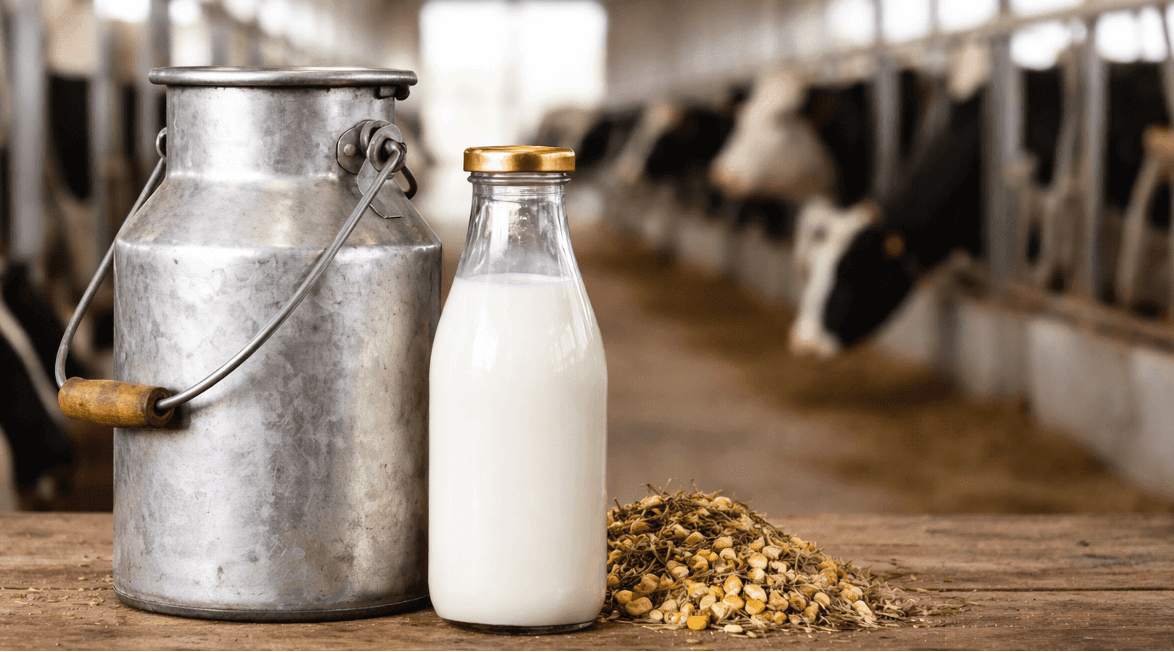
ProGnosis Biotech’s conference on “Aflatoxin B1 and M1: challenges and prevention in livestock and dairy industry” brought one of the dairy chain’s most pressing food-safety issues into sharp focus: how to detect risk early, interpret results correctly and prevent contamination before it becomes a production, compliance or market problem.
What made the event particularly relevant was its full-chain perspective. The programme moved from predicting raw milk contamination with aflatoxin M1 in Serbia and improving sampling and result interpretation, to LC-MS/MS analysis, remediation through additives, dairy-sector challenges, and monitoring solutions for aflatoxins and antibiotic residues. It was not simply a discussion about toxins, but about decision-making across the chain, from feed and farm conditions to testing protocols and dairy processing.
The topic is especially timely. AFM1 appears in milk and dairy products from animals fed with AFB1-contaminated feed, while climate pressures are increasing mycotoxin risks across Europe, particularly in southern Europe and the Balkans. In Serbia, the issue is gaining urgency. The current regulation allows a maximum AFM1 concentration of 0.25 μg/kg in raw and heat-treated milk until 30 November 2026, after which Serbia will align with the EU threshold of 0.05 μg/kg from 1 December 2026. In that context, faster diagnostics, stronger sampling discipline and better feed-risk management are no longer optional technical improvements, but operational necessities. The conference’s core message was clear: mycotoxin control is no longer just a laboratory issue, but a system-wide priority.
Source : Dairynews7x7 Mar 22nd 2026 Read full story here