Latest Blogs
See More

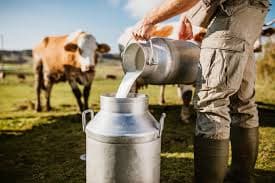
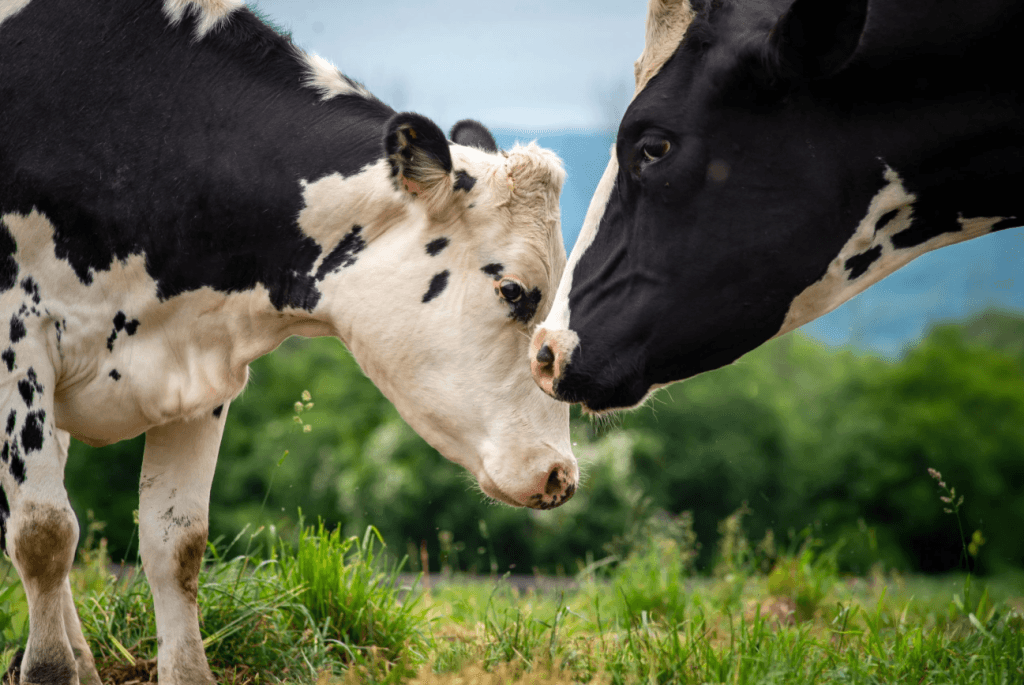
A groundbreaking biotechnology innovation could transform the future of insulin manufacturing, with researchers exploring the use of genetically engineered dairy cows to produce human insulin directly in milk. Scientists believe the approach could offer a scalable and potentially more affordable alternative to conventional insulin production methods, which currently rely on genetically modified bacteria or yeast in pharmaceutical manufacturing facilities.
According to the report, researchers successfully introduced a segment of human DNA responsible for insulin production into dairy cows, enabling the animals to produce human proinsulin and insulin in their milk. The study demonstrated that a transgenic cow was able to generate substantial quantities of biologically relevant insulin proteins during lactation.
Researchers noted that insulin is one of the world’s most essential medicines, with millions of people living with diabetes depending on a reliable supply. As global diabetes rates continue to rise, demand for insulin is expected to increase significantly, placing additional pressure on existing production systems. Scientists believe dairy-based insulin production could help address future supply challenges while potentially reducing manufacturing costs.
The technology leverages advances in genetic engineering that allow specific proteins to be expressed in milk. After collection, insulin proteins could be extracted, purified and processed into pharmaceutical-grade products. Experts suggest that a herd of insulin-producing dairy cows could potentially generate large volumes of insulin from routine milk production, creating an entirely new model for biopharmaceutical manufacturing.
While the research remains in the development stage, scientists emphasized that extensive regulatory approvals, safety evaluations and commercial-scale validation would be required before insulin produced from dairy cows could reach patients. The process would also need to meet stringent pharmaceutical manufacturing standards to ensure product quality, consistency and safety.
Industry observers say the breakthrough highlights the expanding role of dairy animals beyond traditional food production. Advances in biotechnology are increasingly positioning livestock as potential producers of high-value pharmaceutical compounds, opening new opportunities at the intersection of agriculture, healthcare and life sciences. (rfdtv.com)
If successfully commercialized, the innovation could represent a major milestone for both the dairy and pharmaceutical sectors, demonstrating how dairy farming infrastructure may contribute to addressing global healthcare challenges. Analysts believe the concept underscores the growing importance of biotechnology in shaping the future of dairy, where milk could become not only a source of nutrition but also a platform for producing life-saving medicines.
Source: Dairynews7x7 10 June, 2026 Read full story here
#InsulinProduction #DairyInnovation #Biotechnology #DairyResearch #Pharmaceuticals #DairyScience #Dairynews7x7