Logo
IndianGlobalBlogsPublicationsPodcastsMarketAboutContact
Logo
IndianGlobalBlogsPublicationsPodcasts
7News
What the global “Wall of Milk” means — recent developmentsPending ₹215-Crore Incentives Hit Tamil Nadu Dairy ProducersFood manufacturing to hit Rs 40-lakh-crore : Dr R S SodhiDAHD rolls out schemes to boost milk yield; milk prices risingKarnataka mobilises distilleries to rescue maize farmers after price collapse

Indian Dairy News

Pending ₹215-Crore Incentives Hit Tamil Nadu Dairy Producers
Dec 05, 2025

Pending ₹215-Crore Incentives Hit Tamil Nadu Dairy Producers

Dairy producers in Tamil Nadu have stepped up pressure on the state government to release pending incentive payments reportedly amounting to around ₹215 crore, claiming the delay is heavily impacting...Read More

Food manufacturing to hit Rs 40-lakh-crore : Dr R S Sodhi
Dec 05, 2025

Food manufacturing to hit Rs 40-lakh-crore : Dr R S Sodhi

India’s organised food-manufacturing segment is poised for a dramatic rise, expected to reach ₹ 40-lakh-crore in the near future as the nation’s broader food economy is projected to nearly triple by 2...Read More

DAHD rolls out schemes to boost milk yield; milk prices rising
Dec 03, 2025

DAHD rolls out schemes to boost milk yield; milk prices rising

The Department of Animal Husbandry and Dairying (DAHD) says it is implementing a set of nationwide schemes — Rashtriya Gokul Mission (RGM), National Programme for Dairy Development (NPDD), Animal Husb...Read More

Latest Blogs

See More
More Milk, Less Money: India’s Dairy Crisis
Dec 01, 2025

More Milk, Less Money: India’s Dairy Crisis

With the release of the BAHS 2025 summary report, I felt compelled to deep dive into its findings and reflect on the real progress and challenges facing India’s dairy sector. Over the last six years,...Read More

India Milk Prices: Cost Shock and Procurement Pressure
Nov 28, 2025

India Milk Prices: Cost Shock and Procurement Pressure

Milk prices in India face upward pressure as rising feed costs and procurement hikes reshape farm economics. Insight on dairy procurement, feed costs, and market outlook. Official government and coope...Read More

Stop Blaming, Start Claiming: Livestock’s Carbon Credit Future
Nov 16, 2025

Stop Blaming, Start Claiming: Livestock’s Carbon Credit Future

This week, I had the opportunity to attend an Agri Carbon Masterclass conducted by CII FACE. The deliberations, case studies, and discussions presented during the session were both insightful and thou...Read More

India Powers the Gulf’s Dairy Revolution -Gulf Food 2025
Oct 31, 2025

India Powers the Gulf’s Dairy Revolution -Gulf Food 2025

As Gulf Food Manufacturing prepares to open its doors from November 4–6 in Dubai, Indian dairy product and equipment manufacturers have a unique opportunity to explore one of the most promising region...Read More

Global Dairy News

What the global “Wall of Milk” means — recent developments
Dec 05, 2025

What the global “Wall of Milk” means — recent developments

What the global “Wall of Milk” means — recent developments Global milk production across major dairy-exporting regions has surged in 2025. According to an analysis cited by DairyHerd, year-to-date...Read More

Indian Dairy: Demand and supply developments AHDB research
Dec 03, 2025

Indian Dairy: Demand and supply developments AHDB research

Population and economic growth driving India’s milk consumption by 3.1% per capita, per year. Milk production is also expected to see strong growth of 3.6% p.a. between 2025 and 2034 as the natio...Read More

From farm gate to plate: Fonterra's chef community
Dec 03, 2025

From farm gate to plate: Fonterra's chef community

Our foodservice business, anchored by the globally respected Anchor Food Professionals (AFP) brand, succeeds because of the passion, innovation, skill and creativity of our people. And at the cen...Read More

Dairy News 7x7

Your trusted source for all the latest dairy industry news, market insights, and trending topics.

FOLLOW US
CATEGORIES
  • Global News
  • Indian News
  • Blogs
  • Publications
  • Podcasts
SUBSCRIBE TO OUR NEWSLETTER

Stay informed with the latest updates and trending news in the dairy industry.

No spam, unsubscribe at any time

GET IN TOUCH
C-49, C Block, Sector 65,
Noida, UP 201307
+91 7827405029dairynews7x7@gmail.com

© 2025 Dairy News 7x7. All Rights Reserved.

Terms of ServicePrivacy Policy

What the global “Wall of Milk” means — recent developments

By DairyNews7x7•Published on December 05, 2025

What the global “Wall of Milk” means — recent developments

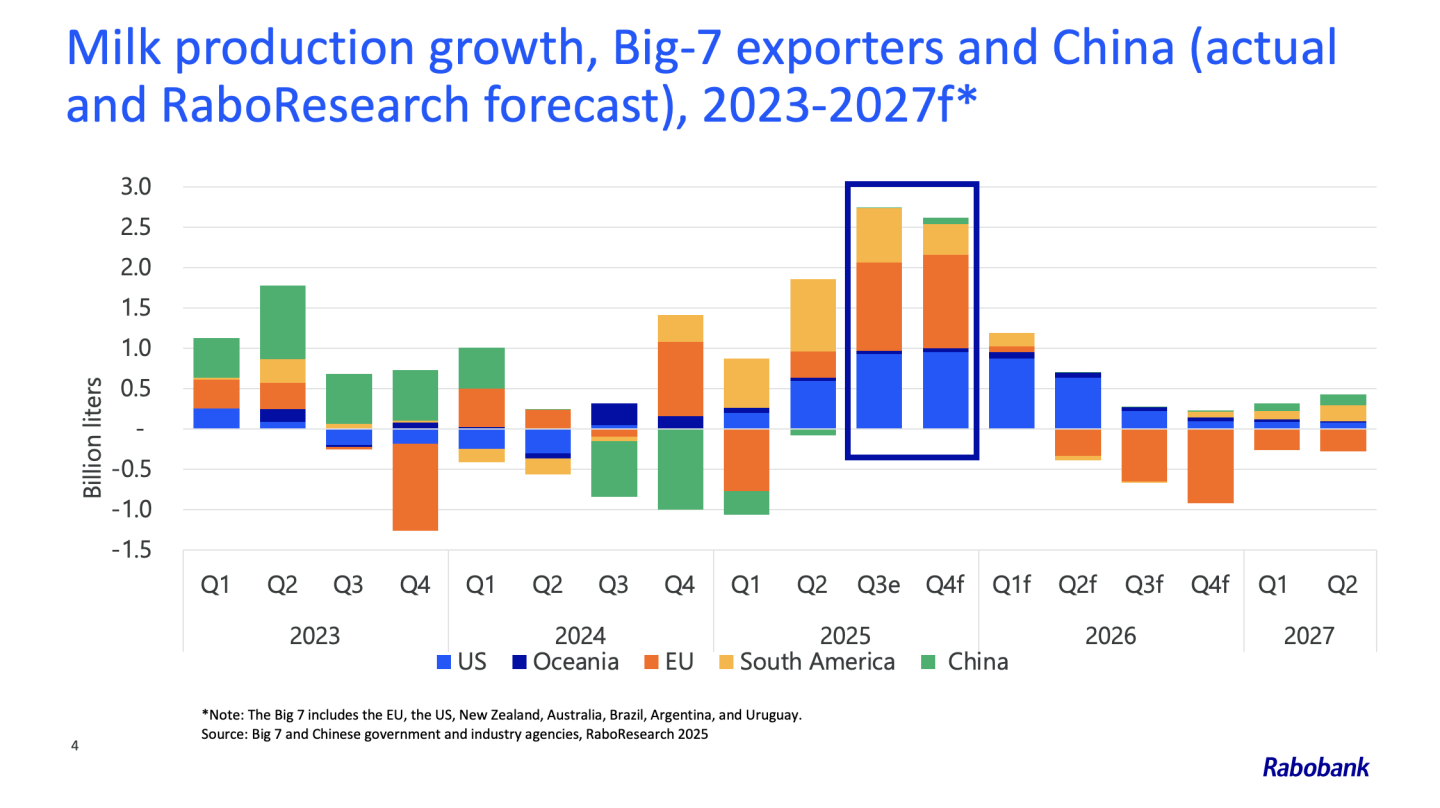
  • Global milk production across major dairy-exporting regions has surged in 2025. According to an analysis cited by DairyHerd, year-to-date (through July) output among the top export markets is up by about 1% compared to 2024, adding approximately 3.7 billion pounds of milk to global supply.

  • That surplus is big enough to produce hundreds of millions of pounds of additional dairy commodities — extra cheese, butter, milk powder etc.

  • But global demand — both domestic consumption and international trade — is not rising at the same pace. Export markets are showing signs of fatigue, and many regions are already reporting growing inventories and falling or volatile commodity prices.

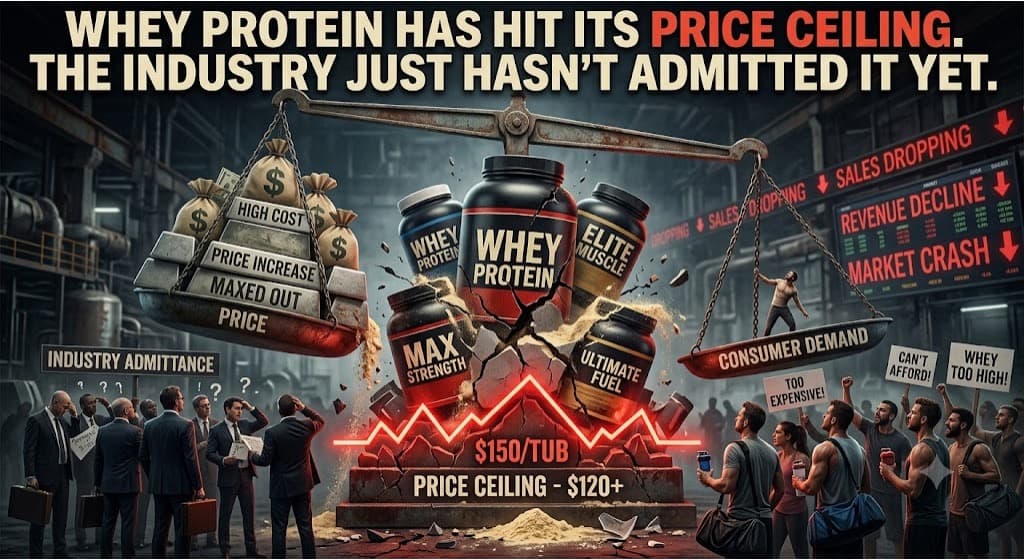
  • As a result, the “glut” is pressuring prices across the board — butter, SMP/WMP, cheese, whey, etc — squeezing margins for both producers and processors.

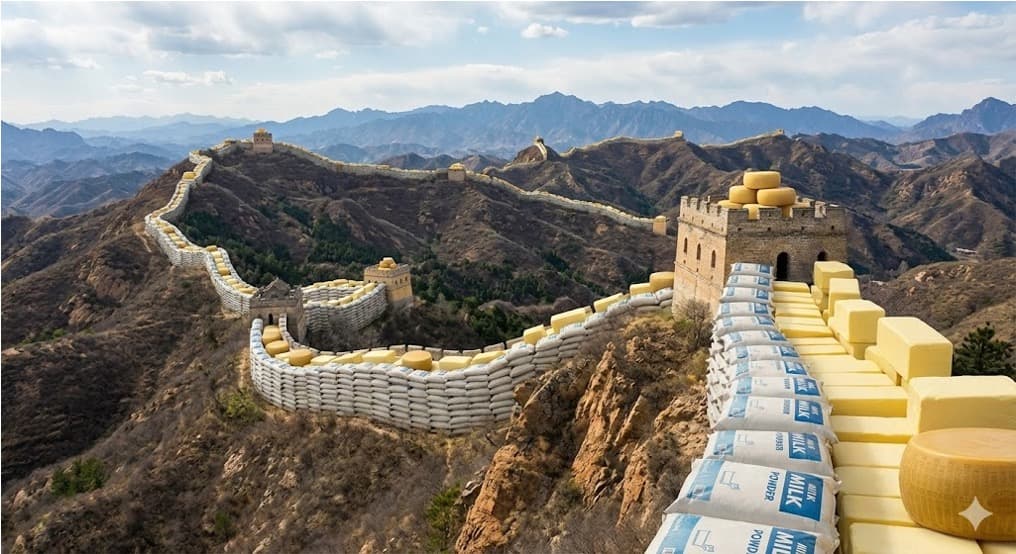
In short, the global dairy market is facing a structural oversupply — what analysts are calling a “global milk glut” or “wall of milk” — which is raising serious concerns about sustainability of dairy incomes and price stability.
Screenshot 2025-12-03 at 11.13.38 AM.png

What this means for Indian dairy (and Indian processors / farmers)

Even though this is a global phenomenon, it has important implications for India, because:

  • India is a major global producer, and Indian processors often compete (directly or indirectly) with global commodity markets for exports (e.g. SMP, WMP, butter, cheese, etc.).

  • If global commodity prices remain depressed due to oversupply, export-oriented dairy producers in India may find margins squeezed — especially in SMP, WMP, butter, cheese.

  • Domestically, while liquid milk consumption may remain stable (due to population & demand growth), value-added segments might suffer if export-driven demand slows, or if global oversupply depresses international reference prices (which often influence local wholesale rates).

  • For investors / entrepreneurs looking to build large-scale dairy processing plants (cheese, SMP/WMP etc.), the surplus means heightened market risk — oversupply could erode returns, especially if demand doesn’t pick up as expected.

At the same time:

  • For domestic-market–oriented dairy, this could mean lower raw-milk procurement costs (if global price pressure drags domestic prices down), which could benefit processors focusing on value-added products for the Indian market (cheese, paneer, ghee, etc.), assuming domestic demand holds.

  • But for farmer incomes — especially those relying on commodity exports or on cooperatives active in global supply chain — the “glut” may erode their profitability unless supply is managed or value-addition is promoted.

What to watch / strategies amid the “milk glut”

Given this global scenario, stakeholders — especially in India — would do well to:

  • Focus on domestic demand growth and value-addition, rather than relying heavily on commodity exports. Products like cheese, whey-based ingredients, specialized dairy foods (high-protein, fortified, functional dairy) for the domestic market may offer better resilience.

  • Diversify product mix: combining commodity (milk powder, butter) with value-added and niche products to reduce exposure to volatile global prices.

  • Push for supply moderation and milk production management (through seasonal strategies, smarter herd management, production planning) to avoid contributing to global oversupply at peak flush.

  • Strengthen supply-chain and cost control, to remain competitive even if global prices are depressed — including efficient processing, lower wastage, rational raw-milk procurement costs, and closer integration between production and demand.

  • Leverage policy support and domestic demand tailwinds (population growth, increasing per-capita consumption, rising demand for dairy proteins) to create stable long-term growth even if global export markets are shaky.

Source : Dairynews7x7 Dec 5th 2025 Read full story here

Swipe to continue reading

Previous Article

Next Article