








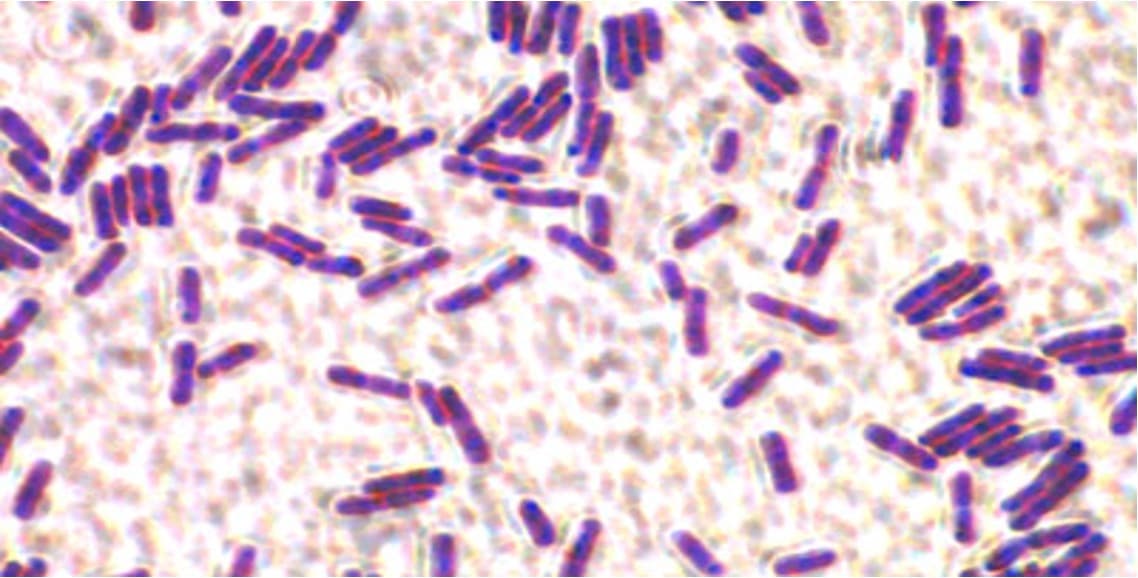
Researchers at Umeå University in Sweden have embarked on a breakthrough study to make dairy products safer with fewer chemicals, targeting one of the most stubborn challenges in milk processing — Bacillus spores. These microscopic spores are highly heat-resistant and often survive pasteurisation and standard cleaning-in-place (CIP) systems, leading to off-flavours, spoilage, and costly batch rejections. By mapping where these spores attach inside processing equipment — especially in valves, joints, and tanks — the research team aims to redesign dairy systems for cleaner, safer production.
The project, supported by SEK 6 million in funding, focuses on developing low-chemical, enzyme-based cleaning technologies and ultra-sensitive detection methods to monitor contamination. Such innovations could reduce chemical use by up to 50%, shorten rinse cycles, and significantly cut water and energy consumption — advancing the global “Clean Label Dairy” movement that prioritises purity and sustainability.
For India’s rapidly modernising dairy industry, this research is both a warning and an opportunity. As consumers increasingly demand chemical-free, high-quality milk and products, processors must evolve from mere compliance toward a culture of trust-based quality. Adopting low-chemical cleaning technologies will not only save costs and lower effluent loads but also strengthen India’s position in global dairy exports by establishing “green dairy plants” that deliver safe, premium-quality products every time.