Latest Blogs
See More
Indian Dairy News



DairyNews7x7
Global Dairy News


DairyNews7x7
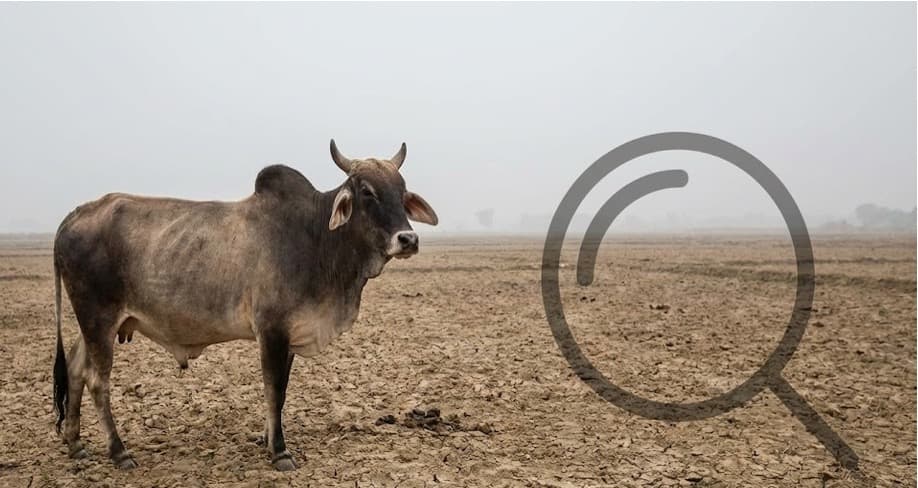
India’s celebrated White Revolution — which transformed the nation into the world’s largest milk producer and lifted millions out of rural poverty — is increasingly being re-evaluated in light of environmental, animal welfare and climate impacts associated with rapid dairy growth. The movement, led by Verghese Kurien’s Operation Flood, dramatically increased milk output and cooperative empowerment, underpinning India’s status as the top global producer contributing about 25 % of world milk supplies and raising per-capita availability well above global averages. However, recent attention is focusing not just on production gains but also on the hidden costs borne by the climate, livestock and smallholder farmers.
Critics highlight that although the sector has delivered major socio-economic benefits, it has largely escaped intense climate scrutiny compared with global debates on livestock’s greenhouse gas footprint — particularly methane emissions and resource use linked to large bovine populations and feed cultivation. With climate change intensifying heat stress, water scarcity, changing disease patterns and volatile fodder supply, dairy farmers face growing productivity and cost pressures that threaten small-scale operations.
The sector now stands at a crossroads where sustainability imperatives — climate mitigation, environmentally sound livestock practices and resilient fodder systems — are emerging alongside traditional drivers of growth. As India rolls out strategies like White Revolution 2.0 to consolidate dairy infrastructure and cooperative strength, addressing these environmental trade-offs will be essential for long-term resilience and farmer livelihoods.
Source : DAirynews7x7 Jan 30th 2026 Read full article here