Latest Blogs
See More





Indian Dairy News


DairyNews7x7
Global Dairy News


DairyNews7x7
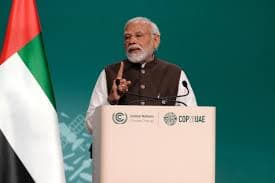
India has withdrawn its bid to host the COP33 United Nations climate summit in 2028, marking a significant shift in its climate diplomacy and domestic policy priorities. The decision was formally communicated on April 2, 2026, to the Asia-Pacific Group under the United Nations Framework Convention on Climate Change (UNFCCC), despite earlier signals of intent from Prime Minister Narendra Modi during the COP28 summit in Dubai in December 2023. (Ruralvoice)
Preparations for hosting the global summit had already begun, including the establishment of a dedicated COP33 cell in July 2025 under the Ministry of Environment, Forest and Climate Change (MoEFCC), and India’s candidacy had also received backing from the BRICS grouping. However, notably, India had not submitted a formal bid, and the withdrawal came after an internal review of commitments for the year 2028.
The government has not issued a detailed public explanation, but official communication cited a “review of national commitments” as the primary reason for stepping back. Sources indicate that hosting a COP summit involves significant financial, administrative, and diplomatic responsibilities, especially as COP33 is expected to include the second Global Stocktake under the Paris Agreement, requiring intense global negotiations and leadership.
Analysts suggest that the decision reflects a balancing act between domestic priorities and global climate leadership expectations. Hosting such a high-profile event would have required India to take more ambitious positions on climate commitments, including climate finance, energy transition timelines, and emissions targets—areas where India has traditionally advocated equity and differentiated responsibilities.and declining political participation in recent COP summits have raised questions about the effectiveness of these platforms. Additionally, the United States’ withdrawal from the Paris Agreement in 2025 has contributed to a more subdued global climate momentum, influencing countries to reassess leadership roles.
Timing is another critical factor. COP33 would take place just a year before India’s 2029 general elections, and organizing a two-week global summit involving nearly 200 countries and tens of thousands of delegates would pose substantial logistical and political challenges.
The move has been described by some experts as a “strategic missed opportunity”, as hosting COP33 could have allowed India to showcase its renewable energy progress and strengthen its leadership position among Global South nations. Political reactions have also emerged, with concerns raised about India’s commitment to advancing climate goals under the Paris Agreement. (Ruralvoice)
India’s withdrawal leaves the Asia-Pacific Group without a confirmed host for COP33, creating uncertainty around the 2028 summit. While countries like South Korea have shown informal interest, no formal bids have been confirmed so far.
Overall, the decision underscores a strategic recalibration of India’s climate diplomacy, shifting focus from hosting global platforms to managing domestic priorities and navigating a complex geopolitical landscape, while continuing participation in international climate negotiations. (cognitud.com)
Source: Dairynews7x7 10th April, 2026 Read full story here
#ClimatePolicy #COP33 #IndiaClimate #GlobalClimate #Sustainability #AgriPolicy #DairyNews