Gujarat’s dairies converted the excess milk into value-added dairy products
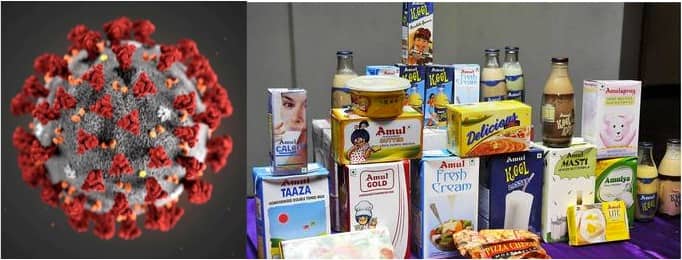
The national lockdown to curb the spread of Covid-19 has had a drastic effect on the Indian economy. Many sectors, including dairy, have been affected. For ensuring smooth supply of essential commodities such as medicines, fruits, vegetables and milk, the government relaxed the transportation norms associated with these services. Dairy business in India is a source of livelihood for millions of rural people. An estimated seven million small, marginal, and landless farmers rely on dairying for their livelihood.
Owing to the closure of hotels, cafés, restaurants, and restrictions on public gatherings, the demand for milk and milk products dipped while the procurement of milk increased. The reason for such a situation was that many private players and small enterprises refused to collect milk or reduced procurement prices, which lead the farmers from different parts of the country to dump the milk on roads in many places.
The challenges
To understand the challenges faced by the dairy cooperatives during the lockdown, Verghese Kurien Centre of Excellence (VKCoE) at IRMA conducted a study on the effect of Covid-19 on the dairy cooperative sector of Gujarat. The respondents of the survey were Banaskantha District Co-operative Milk Producers’ Union Ltd and Rajkot District Co-Operative Milk Producers’ Union Ltd.
These unions account around 30 per cent of the total volume of milk procured (230 lakh liters/day) by Gujrat Cooperative Milk Marketing Federation (GCMMF); popularly referred as AMUL. The total members associated with Bans and Rajkot milk unions are 3.7 lakh and 70,000, respectively. The key findings of the study are discussed here.
As per the survey findings, milk procurement at village cooperative societies witnessed an increase. The milk pulling grew as unorganised players stopped procuring milk due to the shutdown of the hotel, restaurants and café (HoReCa) segment during the lockdown.
The milk producer at the village level during Covid got uninterrupted supply of input services such as feed and fodder, artificial insemination, and veterinary services from district cooperative societies (DCS). This did have a direct effect on the quality and quantity of milk produced. This could be a reason for surplus milk inflow at the village cooperative societies (VCS) level. The survey showed that there was surplus milk collection, which led to increased time for collection and the requirement of more storage facilities.
Supply chain
Farmers supply fresh milk daily to VCS. These VCS’ in turn supply to milk unions associated with GCMMF, which is the entity that markets all the milk and milk products produced by member milk unions.
The survey found that during the lockdown, the milk supply chain was not interrupted by new protocols or standard operating procedures (SOPs) at VCS, district milk unions, and state federations. The protocols included maintaining social distancing (by farmers, staff, and officials), washing hands frequently, covering mouth and nose with masks, sanitisation of vehicles carrying milk and milk products, etc.
Except for the ice-cream sector, the dairy supply chain of Gujarat was least affected by the nation-wide lockdown. RS Sodhi, Managing Director of GCMMF, has stated that the ice-cream sales were hit hard initially, but are gradually picking up pace now. Initially, the demand for fresh products saw an increase due to panic buying, and then it decreased. In the case of value-added products, butter ghee, cheese and milk powder saw demand rise 10-50 per cent within 2-3 days of the first national lockdown. The resilience of the cooperatives milk supply chain during Covid was even endorsed by Atul Chaturvedi, Secretary of the Department of Animal Husbandry and Dairy, Government of India. During a webinar organised by FICCI, he said, “There was an improvement in the supply of milk substantially by cooperatives, and the average liquid milk consumption was higher during the period.”
Milk processing
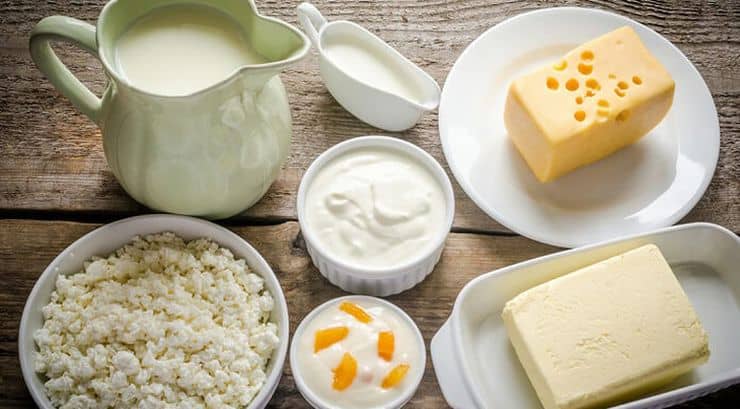
During the Covid pandemic, there was surplus milk procurement by cooperatives despite the “lean season” when milk production usually sees a dip. The challenge of surplus milk was handled well by district milk unions, by converting it into value-added dairy products such as butter, cheese, ghee, and milk powder. Other challenges for the milk unions were the availability of manpower as there were restrictions of movement during the lockdown.
Moreover, the issue of timely availability of packaging material and spare parts of dairy machinery (required due to breakdown) was also observed, which was usually solved by taking help from other milk unions. The routine processes of dairy cooperatives — milk collection, processing, and distribution — were done by following Covid safety norms.
As per the survey, the significant challenges encountered by the two milk unions during the pandemic were workforce management, surplus milk collection, decreased demand of milk and milk products, safety and health of animals as well as farmer members from the virus, transportations of milk from DCS to processing plants and distribution of processed milk and milk products to the consumers.
The Covid-19 lockdown had a massive impact on the economy. The milk procurement went up, and sales of milk and milk products went down during lockdown. To curb this situation, dairy cooperatives started converting milk into long shelf-life products viz milk powder, butter, ghee, UHT milk, etc., which resulted in fund blockage and, ultimately, difficulty in payment to the farmers.
Government Support
To help the dairy cooperatives (ultimately farmers), the Ministry of Fisheries, Animal Husbandry and Dairying recently announced “interest subvention on working capital loans for the dairy sector.”
To increase milk production, boost exports, and increase employment by promoting MSMEs and private companies through participation in processing and value addition in the animal husbandry sector, Finance Minister Nirmala Sitharaman announced an Animal Husbandry Infrastructure Development Fund of ₹15,000 crore. This will help strengthen the dairy sector, which has withstood the Covid challenges by ensuring uninterrupted supply of milk and milk products across the country.
Parmar is Research Fellow, and Misra is Chair Professor at VKCoE, Institute of Rural Management, Anand, Gujarat. Views are personal