Latest Blogs
See More



Indian Dairy News

DairyNews7x7
Global Dairy News


DairyNews7x7

The rapid rise of GLP-1 weight-loss drugs is emerging as a potential disruptor for global dairy demand, as these medications significantly alter consumer eating habits by suppressing appetite and reducing overall calorie intake.
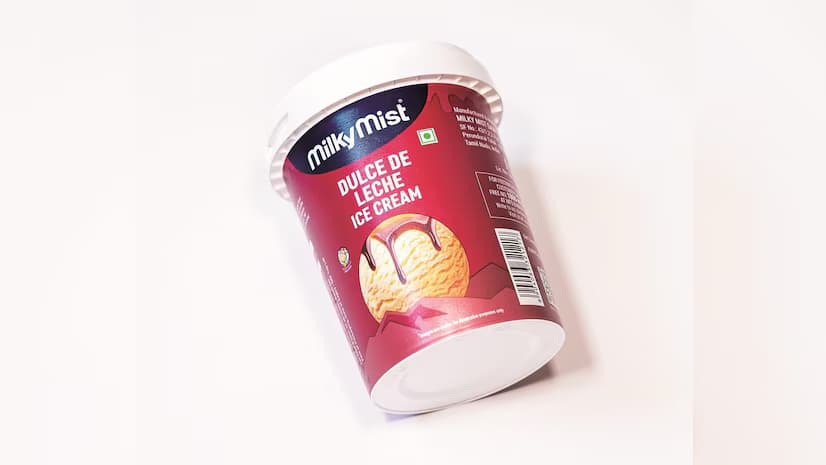
Studies indicate that users typically cut food consumption by around 20% (nearly 800 calories per day) and shift away from high-fat, sugary, and indulgent dairy products such as ice cream, butter, and flavoured yogurts toward lean, protein-rich options like plain milk, yogurt, and whey-based products. (DairyNews7x7)
Data shows a measurable impact on dairy purchasing patterns, with households using GLP-1 drugs spending approximately 6% less on butter, 7% less on cheese, and 5% less on cream, highlighting pressure on high-fat dairy categories.
At the same time, demand for high-protein and low-fat dairy is rising, positioning products like yogurt, kefir, and cottage cheese as growth segments aligned with evolving dietary preferences. (DairyReporter.com)
The global adoption of GLP-1 drugs is accelerating, with projections suggesting up to 40 million users worldwide by 2029, including significant uptake in the US and gradual expansion in Europe and other markets.
This trend is already influencing food industry strategies, driving reformulation, smaller portion sizes, and a shift toward nutrient-dense offerings.
While the overall impact on dairy volumes is expected to be moderate—estimated at around 0.5–1% decline over the next decade—the structural shift in consumption patterns is significant.
The industry faces a clear pivot: processed, high-fat dairy segments may decline, while protein-centric and functional dairy products are set to gain momentum, redefining product portfolios and value chains globally. (Dairy Global)
Source: Dairynews7x7 14 April, 2026 Read full article here
#DairyTrends #GLP1 #DairyDemand #ProteinShift #DairyInnovation #FoodIndustry #Dairynews7x7