Rising geopolitical tensions are emerging as a critical threat to fertiliser availability, placing fresh pressure on the global dairy sector’s cost structure and production outlook. Supply chain disruptions—particularly across key trade routes—are tightening fertiliser markets, a vital input for feed crop production, thereby increasing risks for dairy farmers already grappling with elevated input costs.
Industry analysis highlights that fertiliser shortages could directly impact pasture quality and feed supply, ultimately squeezing milk production and farm profitability. This comes at a time when input inflation—covering feed, energy, and fertilisers—remains a central concern, limiting the benefit of improving milk prices and market stability.
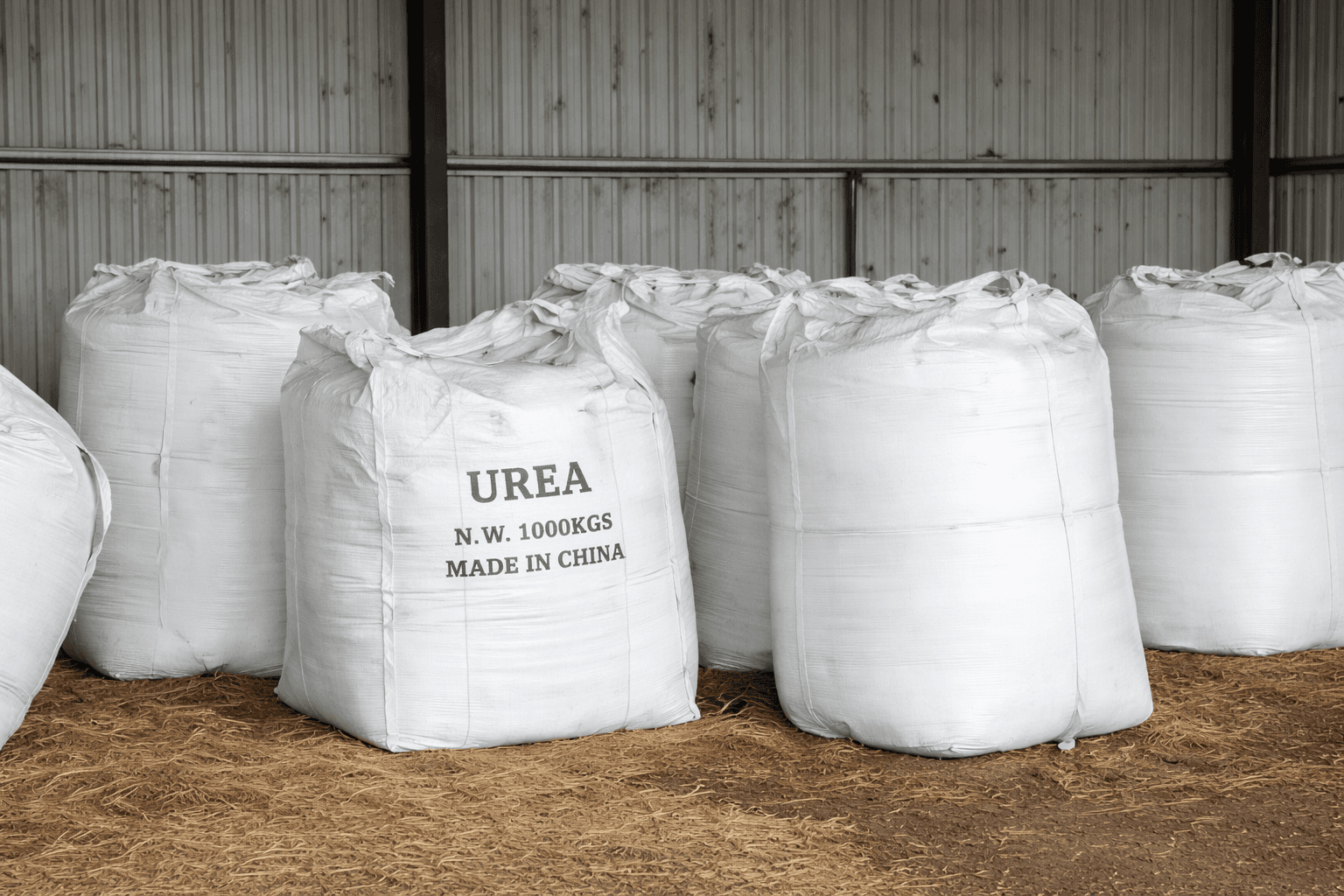
The situation is further exacerbated by global conflict dynamics affecting fertiliser flows, with up to 30% of globally traded fertilisers moving through sensitive regions such as the Strait of Hormuz, where disruptions have already pushed urea prices up by 30–40%. Experts warn that prolonged supply constraints could reduce crop yields, tightening feed availability and triggering a cascading impact on dairy and livestock production worldwide.
With no significant global fertiliser stockpiles to cushion the shock, the dairy value chain faces heightened vulnerability, particularly in import-dependent regions. As cost pressures intensify, the sector’s near-term outlook will hinge on how quickly fertiliser supply chains stabilise and whether farmers can adapt to sustained input volatility.
Source: Dairynews7x7 23 March, 2026 Read full story here
#DairySector #FertiliserCrisis #MilkProduction #AgriInputs #GlobalDairy #FarmEconomics #SupplyChainRisk