Latest Blogs
See More

Indian Dairy News
DairyNews7x7
Global Dairy News

DairyNews7x7

Dairy industry in India is passing through an interesting time. With each day passed the threat of a third wave is waning off. Large dairy groups have begun to expand through organic or inorganic growth routes. The sales in Hotels and restaurants is improving because the footfall in markets has improved. Everyone is looking forward to good business during the festival times. Rakshabandhan in north and Onam in south has shown a marked surge in the demand for milk and milk products.
All industries have to thrive with problems and challenges. Dairy sector also has its own sets of challenges. Covid -19 added to these challenges. The industry took the responsibility and converted most of these problems into opportunities. There were three major areas where the industry focussed in this time of crisis .
a. Development and launch of healthy and nutritious immunity boosting dairy products.
b. Delivery of milk and dairy products at the consumers door steps.
c. The industry began to expand their capacities for milk value added products.
The government on the contrary has started to solve the problems at their hand. However the timings of solving the same may not be the most appropriate one. I remember a quote by Jonathan Mead which says that ” Sometimes the easiest way to solve a problem is to stop participating in the problem.”
b. Implementation of BIS order on tin plates and notification to ban plastic packaging even for packaging of milk and milk products.
c. Imposing income tax on village level dairy cooperatives societies with milk handling of more than 400 Liters
d. Reducing Fat standard from 6% to 5% for the buffalo milk through out the India
e. Keeping Lassi out of GST but considering GST on flavoured milk at par with Soya milk drinks, fruit pulp or fruit juices and tender coconut water.
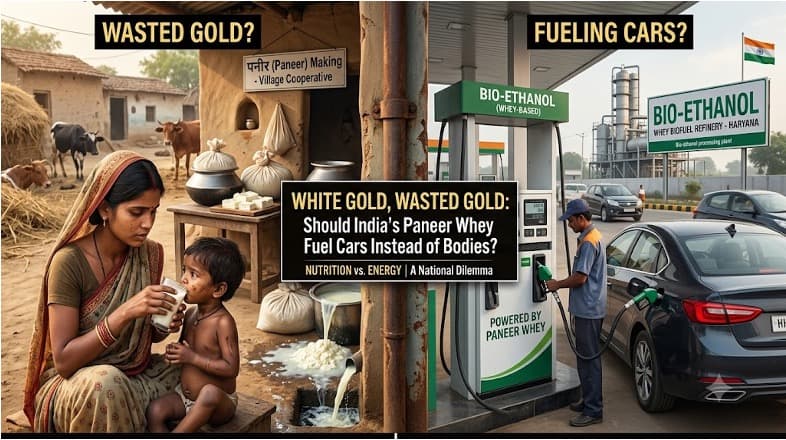
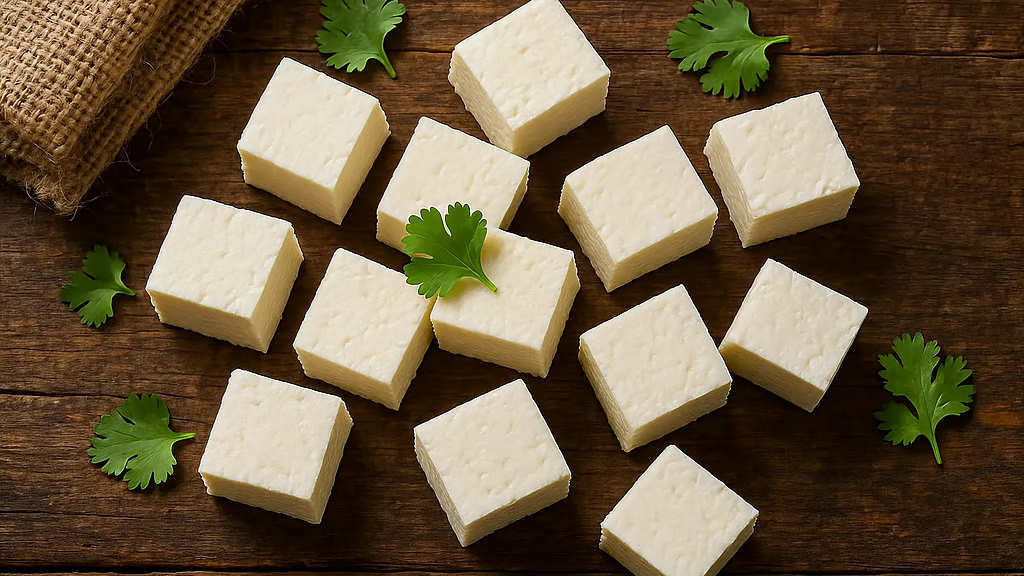
At times I feel that why the government is not addressing more important issues like bringing in stringent rules on milk and food adulteration, reduction of GST on butter and ghee , making healthy milk products (like fermented milks, flavoured milk and paneer) GST free. I still do not understand that the loose panir with almost 80 % market share is being sold without GST. If the FSSAI norms are to be followed then the majority of this loose panir has vanaspati and vegetable oil added to it. Which means that in India if Panir is made under unhygienic conditions and with adulteration of vegetable oil etc then there is no GST but if the same is made and packed as per FSSAI standards and following GMP then 5% GST will be charged on it.
On one hand we boast about the largest population of buffalo in the world and the immense benefits of buffalo milk , while on the other hand we under-rate the most critical quality of this milk by reducing it’s fat standard.
At the end I request all the stakeholders to guide the policy makers in a more practical and pragmatic manner. The silent treatment of any issue does not solve it, it makes it worse. Let us all hope for a trouble free festival time for everyone and particularly our 100 million dairy farmers and their families.
Source : A blog by Kuldeep Sharma , Chief editor dairynews7x7