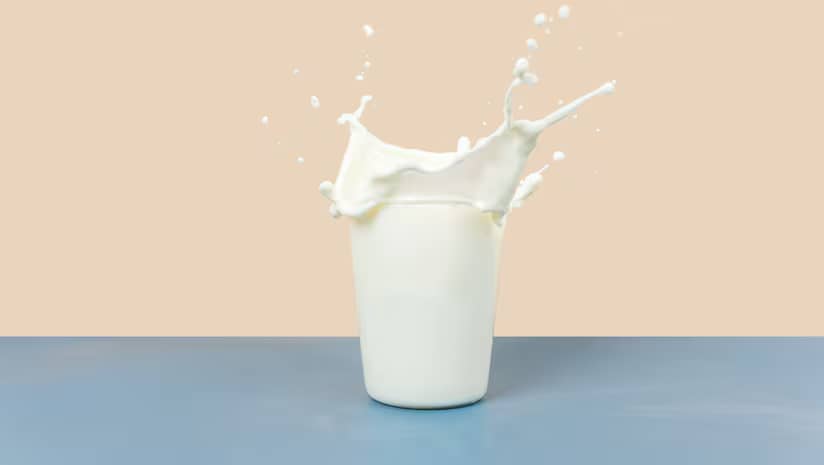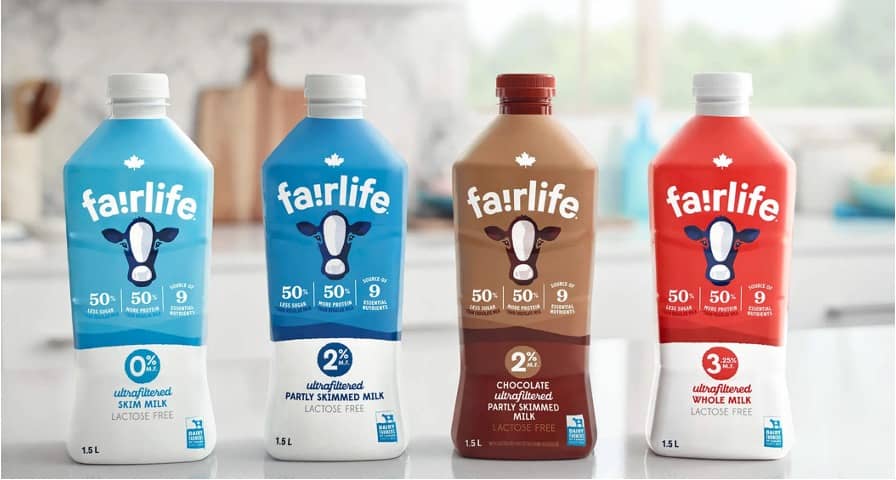
Fairlife — the dairy arm of Coca-Cola — is gearing up for rapid expansion of its value-added dairy business as demand for high-protein, low-sugar milk and protein products grows globally.
Coca-Cola CEO James Quincey recently confirmed at a major investor conference that once new capacity comes online, Fairlife plans to diversify further with new flavours, packaging sizes, and additional dairy-derived sub-categories.
To support this growth, Coca-Cola has broken ground on a large new processing facility in Webster, New York — a 745,000-square-foot plant backed by a US$650 million investment. The facility is expected to come online by 2026, enabling Fairlife to scale beyond current capacity constraints.
Coca-Cola points out that with Fairlife, it is already the largest value-added dairy company in the U.S.; globally too, the company believes there is potential to expand such dairy-protein offerings, though it warns of complexities — regulatory requirements, agricultural-supply integration, and country-specific dairy systems that must be navigated for international expansion.
What this means — Broader Implications for Dairy Markets & Producers
-
Potential rise in global dairy-protein competition: As a beverage-behemoth enters dairy with deep pockets and scale, traditional dairy processors — especially those focused on value-added products (high-protein milk, fortified dairy, packaged dairy) — may face increased competition.
-
Push toward premium, value-added dairy segments: Fairlife’s success shows consumer demand exists for high-protein, low-sugar, processed-milk products — a trend that may shift more consumption from raw-milk/commodity-milk to branded, value-added dairy globally. This could impact pricing, supply-chain dynamics, and how dairy is produced, processed, and marketed.
-
Upward pressure on raw-milk demand (for quality supply): If Coca-Cola (or similar global companies) sources milk from cooperatives or dairy farmers, it could raise demand for higher-quality milk. That might improve farm-gate prices and incentive for better animal productivity — but also increase competition for supplies.
-
Regulatory and supply-chain challenge in non-US markets: As Coca-Cola itself admits, entering dairy in other countries is complex because of differing regulations, supply-chain structures, and dairy-farming ecosystems. That may slow or limit expansion in many regions — but successful entry could disrupt local dairy markets.
-
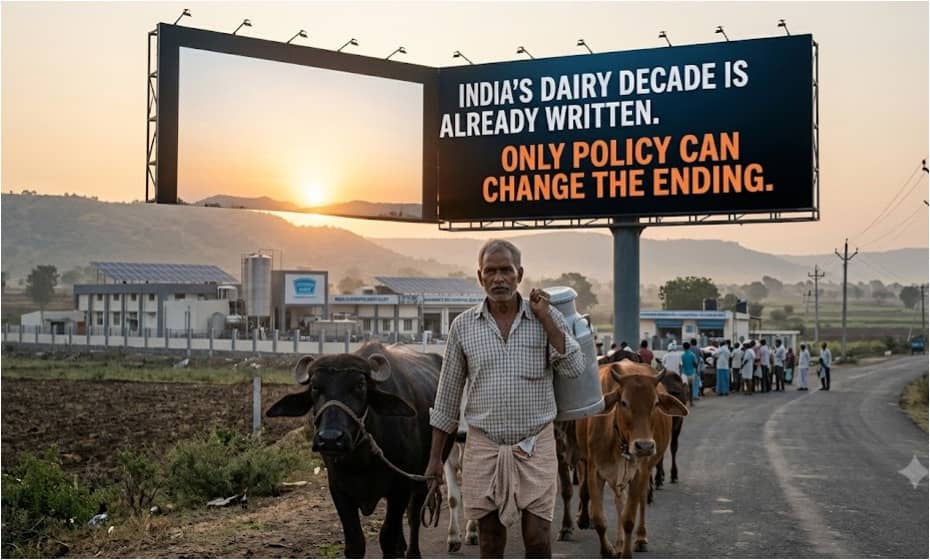
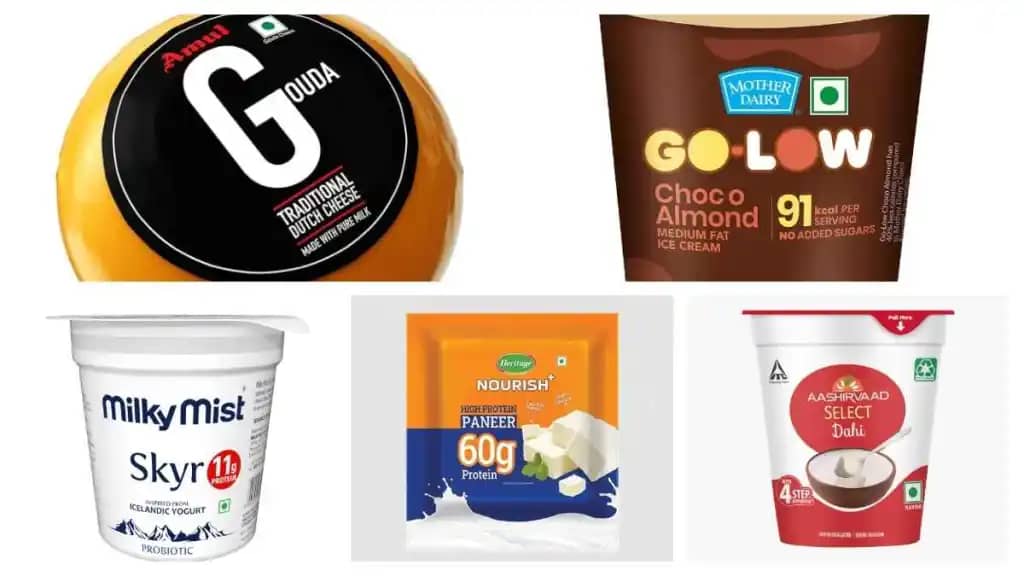
Signal for Indian dairy sector: For countries like India, where dairy cooperatives and processors dominate, the entry of a global brand into value-added dairy signals both opportunity (for premium-dairy demand) and competition (especially in urban, branded-dairy retail space). Cooperatives and private dairies may need to upgrade quality, packaging, and diversification to stay competitive.