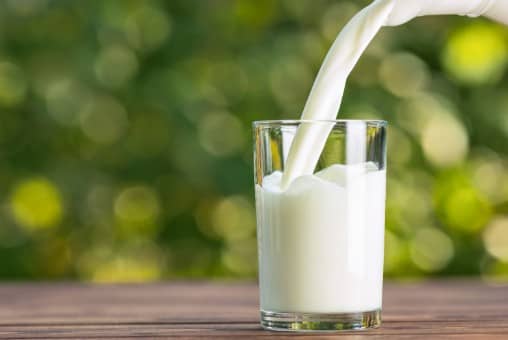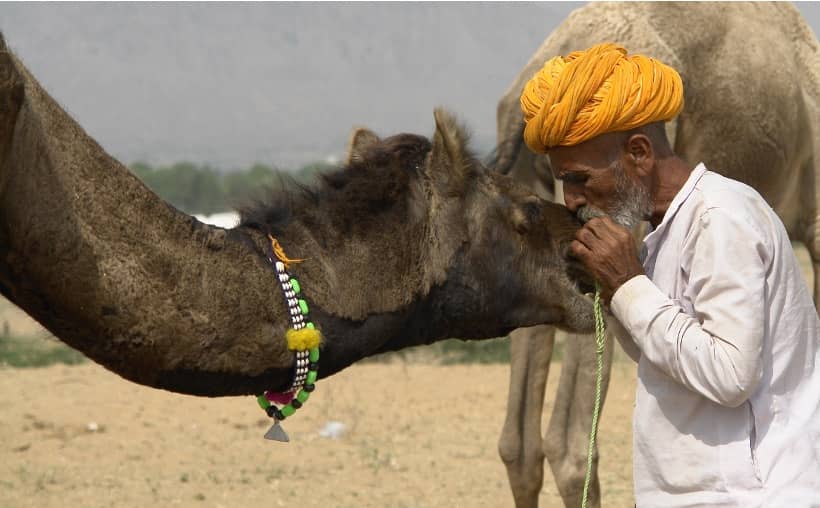
Despite periodic enthusiasm around niche dairy alternatives, camel milk has yet to find a strong foothold among mainstream consumers in Gujarat, with demand remaining largely stagnant in and around Rajkot. Producers and traders in the region report that while the product garners curiosity, actual repeat purchase and sustained market pull remain limited, leaving the camel milk segment struggling to convert novelty into commercial momentum.
Local vendors selling camel milk — priced typically higher than conventional cow or buffalo milk — say that the product draws initial attention due to perceived health benefits and exotic appeal. However, consumer response tends to taper off after early trials, with many shoppers citing unfamiliar taste, texture and price sensitivity as deterrents to regular intake. One trader noted that daily sales have plateaued at levels that are “not sustainable” for commercial scaling without deeper consumer education or product innovation.
Industry observers point to several structural hurdles for camel milk uptake in India’s dairy market. Unlike cow and buffalo milk, which are deeply embedded in dietary habits and cultural patterns across regions, camel milk remains largely a niche product with limited processing infrastructure, distribution reach and brand visibility. While small pockets of demand exist in health-conscious urban clusters and among specific consumer segments, mainstream acceptance — particularly among price-sensitive rural and suburban buyers — remains elusive.
From a value-chain perspective, camel milk also faces quality and supply constraints. Production is inherently lower per animal compared with bovines, and processing systems for camel milk (including chilling, pasteurisation and product diversification) are still underdeveloped relative to established dairy networks. This has kept volumes low and pushed retail pricing higher, further narrowing the addressable market.
Analysts also highlight that the functional attributes of camel milk, such as claims around digestibility or unique nutrient profiles, have not yet translated into broad commercial messaging — unlike other value-added dairy products like probiotic yoghurt, A2 milk or fortified variants which have clearer health narratives aligned to consumer trends.
For now, camel milk in regions like Rajkot appears to occupy a curiosity category rather than a growth segment, with producers and advocates needing more than novelty to build sustainable demand. Stronger consumer education, product innovation (e.g., flavoured variants or blends), and targeted health evidence could help, but the path to volume scalability remains uncertain in India’s deeply entrenched dairy consumption ecosystem.
Source : Dairynews7x7 Dec 24th 2025 TOI