Latest Blogs
See More



Indian Dairy News

DairyNews7x7
Global Dairy News



DairyNews7x7
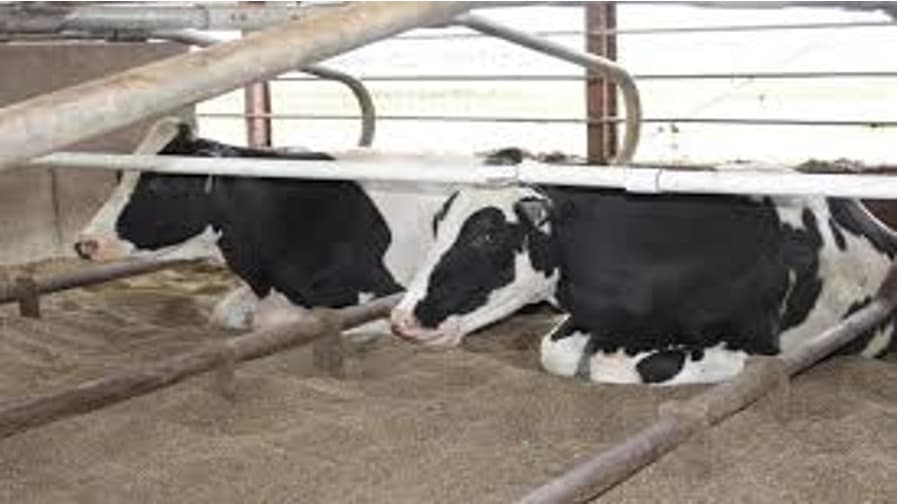
For the first time in Wisconsin, highly pathogenic avian influenza (HPAI) H5N1 has been detected in a dairy cattle herd, state and federal officials confirmed following routine surveillance testing. The affected herd, located in Dodge County, has been quarantined while further on-farm investigations and diagnostics are underway.
The U.S. Department of Agriculture’s Animal and Plant Health Inspection Service (APHIS) found the avian flu virus — belonging to the H5 clade 2.3.4.4b — in milk samples collected as part of the National Milk Testing Strategy, a mandatory surveillance initiative designed to monitor dairy herds for HPAI. Genetic sequencing is ongoing to better understand the virus strain and its epidemiology.
According to federal and state animal health officials, the detection does not pose a risk to consumers or the commercial milk supply. Pasteurization — the high-temperature short-time treatment used in modern dairy processing — is effective at inactivating HPAI viruses, and only milk from healthy animals is accepted into the food stream; milk from affected cows is diverted or destroyed.
Veterinarians note that clinical signs of HPAI in cattle can include reduced appetite, lower milk production, nasal discharge and lethargy, but infected animals do not always show obvious symptoms. Since March 2024, the H5N1 virus has been found in dairy cattle herds in multiple U.S. states, though cases have remained relatively limited in 2025 until this first Wisconsin detection.
State authorities are emphasising enhanced biosecurity and urging producers to report any unusual illness or mortality in livestock. The Department of Agriculture, Trade and Consumer Protection (DATCP) has quarantined the farm, separated sick animals, and is collaborating with federal partners to prevent further spread.
Public health agencies, including the Centers for Disease Control and Prevention (CDC), continue to classify the human health risk from HPAI in dairy cattle as low, particularly when milk is pasteurized and proper food safety practices are followed. Workers with close animal contact, such as farm staff and veterinarians, are advised to follow appropriate precautions.
First confirmed case of bird flu in Wisconsin dairy cattle, detected via routine milk testing.
No risk to pasteurised commercial milk supply; pasteurization inactivates the virus.
Biosecurity enforcement increased on dairy farms to prevent further spread.
Human health risk remains low, but close contact precautions recommended.