Adversity to Abundance: Indian Dairy Industry in Pre independence era
Introduction
On this 78th Independence Day of India, I felt compelled to delve into the often overlooked yet deeply significant history of dairy in India during the pre-independence era. While much has been celebrated about the post-independence
dairy revolution, this article shines a light on the challenging, fragmented, and largely neglected state of the dairy sector that we inherited on August 15, 1947. Through this exploration, I aim to highlight the traditional practices, the immense challenges faced under colonial rule, and the early glimmers of a cooperative movement that would later ignite a transformation, turning adversity into abundance. This is the untold story of how
India’s dairy sector, once ignored by the British, was revitalized by the determination and vision of a newly independent nation.
The story of dairy in India is as ancient as the civilization itself, deeply intertwined with the country’s culture, economy, and rural life. Before independence, the dairy industry in India was largely unorganized and faced numerous challenges. Yet, it laid the groundwork for what would later become the world’s largest milk-producing nation. This article
Traditional Dairy Practices in Ancient and Medieval India
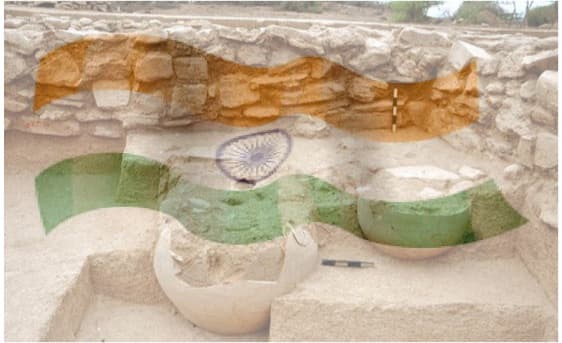
The history of dairy in the Indian subcontinent goes back roughly 8,000 years to the first domestication of zebu cattle, believed to have originated in India. By the beginning of the
Indus Valley civilization (c. 3300 – c. 1300 BCE), zebu cattle had been fully domesticated and used for their milk. Evidence of this can be found in the osteological remains and ceramics of the time. The water buffalo, also indigenous to South Asia, was domesticated and used for ploughing and milk by the time of the
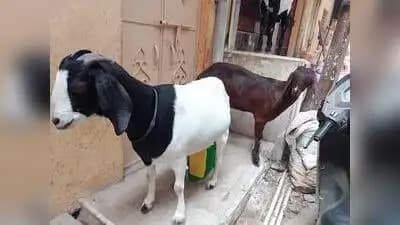
Indus Valley civilization. Goats and sheep were also domesticated, though it is uncertain if they were milked.
During the Vedic period (c. 1500 – c. 500 BCE), milk became a primary element of the diet. Milk and milk products, including clarified butter, were widely consumed. The Vedas contain over 700 references to cows, which were held in high regard and considered sacred, referred to as aghnya (not to be killed). Both the Vedas and the Pali Canon, rich in descriptions of contemporary culture, mention offerings of milk products and their processing. Boiled cow milk was often used for preparing mixtures with grains and gruel with parched barley.
Early age Milk products
Yogurt (curd) was another popular form of milk consumption during this period. The Vedas describe the curdling of milk by adding soured milk or plant substances such as the bark of the
palash tree and the fruit of
jujube, which may have contained rennet-like enzymes, marking some of the earliest documented references to enzymatic cheese-making.
In the period c. 800 – c. 300 BCE, boiled rice with milk or curd was a common food item. Cows were milked twice a day, except those that were pregnant, in estrous, or nursing another cow's calf. The preparation of payasa (a sweet dish made of milk and rice) and madhuparka (a mixture of honey with curds or ghee) was noted, with the latter being used to welcome guests. Buddhist and Jain texts of this era also highlight the importance of milk and its products, especially milk-rice. They mention preparations made from curds, butter, and buttermilk, as well as the use of camel and goat milk alongside cow and buffalo milk.
During the medieval period, dairy farming continued as a small-scale, family-based activity. Most rural households owned a few cows or buffaloes, primarily for household consumption. Surplus milk was sold in local markets or bartered. The concept of cooperatives and organized dairy farming was absent, and the industry remained fragmented and unregulated.
The British Colonial Impact
The advent of British colonial rule in the 18th century had a profound impact on India's agriculture and dairy sector. The colonial administration focused on cash crops like cotton, tea, and indigo, neglecting traditional sectors like dairy. This neglect, coupled with the exploitation of rural resources, led to a decline in the dairy industry.
The challenges faced by the dairy sector under British rule included:
- Neglect of Local Breeds: The colonial government introduced European cattle breeds, which were ill-suited to India's climate and conditions, leading to the decline of indigenous breeds better adapted to local environments.
- Lack of Infrastructure: The dairy industry suffered from inadequate infrastructure, including proper storage, transportation, and processing facilities, resulting in high spoilage rates and limited market access for rural dairy farmers.
- Urban-Rural Divide: The British focused on developing urban areas, widening the gap between urban and rural economies. Rural dairy farmers struggled to access urban markets, limiting their income and growth potential.
- Introduction of Western Dairy Practices: The British established dairy farms in urban centers like Bombay (now Mumbai) and Calcutta (now Kolkata), but these primarily catered to the British population and did little to uplift the rural dairy sector.
Early Signs of Cooperation and Organization
Despite these challenges, the seeds of cooperation and organization in the dairy sector were sown during the late colonial period. The need for a more organized approach to dairy farming became apparent as urbanization increased and the demand for milk and dairy products grew in cities.
One of the early pioneers of cooperative dairy farming was the establishment of the Kaira District Cooperative Milk Producers' Union in 1946, which would later become known as AMUL. This cooperative model, though nascent, showed the potential for collective action in overcoming the challenges faced by individual dairy farmers. Dr. Verghese Kurien, often hailed as the "Father of the White Revolution," played a pivotal role in transforming India's dairy sector, turning it from a state of adversity to one of abundance, and making India the world's largest milk producer through his visionary leadership and the cooperative model of AMUL.