Latest Blogs
See More



Indian Dairy News


DairyNews7x7
Global Dairy News



DairyNews7x7
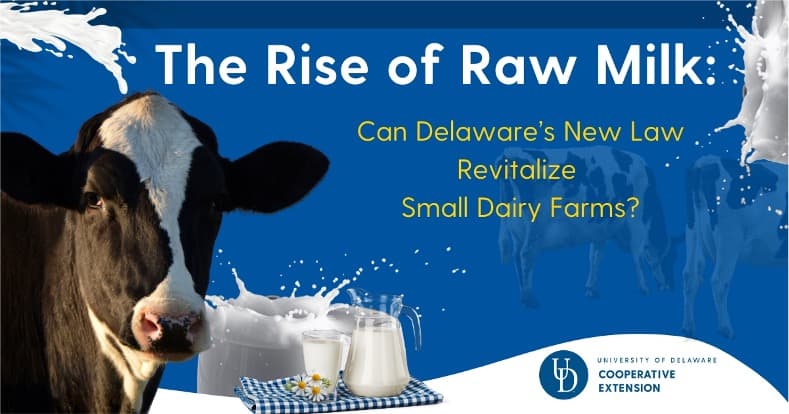
Delaware residents can purchase raw milk directly from local dairy farms, following legislation that took effect in September 2024. The law allows consumers to buy unprocessed, unpasteurized and unhomogenized milk directly from dairy producers with the proper permits.
The legislation aims to support Delaware's dairy farms while providing consumers with more choices in dairy products. However, health officials emphasize the importance of understanding the risks and facts about raw milk before making purchasing decisions.
Raw milk is milk that has not been pasteurized — a process that involves heating milk to a high temperature for a certain amount of time to kill harmful bacteria and pathogens. Proponents of raw milk argue it is a healthier, more nutritious option than pasteurized milk. Some consumers believe raw milk contains beneficial enzymes, probiotics and more natural vitamins that are destroyed during pasteurization.
Pasteurization involves heating beverages to kill disease-causing organisms. This process was first applied to milk in the late 1800s to combat public health threats like listeriosis, typhoid fever and tuberculosis. Today, pasteurization is a standard practice in the dairy industry to ensure milk is safe for consumption.
Health officials at the FDA and CDC warn that raw milk can contain pathogens that can cause serious illness. The risks of consuming untreated milk far outweigh any potential benefits. Here's what to know:
Delaware's law allowing raw milk sales comes as bird flu continues to spread across the country.
Dairy cattle, a significant source of human exposure to bird flu, play a key role in monitoring efforts. The virus's discovery in dairy cattle across 16 states prompted the USDA to institute a proactive milk testing program. There are 15 dairy farms in the First State, as reported by researchers at the University of Delaware's farm management program. Delaware joined the National Milk Testing Strategy earlier this month to ensure dairy products remain free of contamination.
In December, officials found several wild geese infected with highly pathogenic avian influenza (HPAI), or bird flu, along Delaware's coast in Sussex County. Although most healthy individuals recover from illnesses linked to contaminated milk or bird flu exposure, severe or life-threatening symptoms can occur. In January, the U.S. reported its first death from H5N1 bird flu. The victim, a Louisiana resident over 65 with underlying health conditions, fell ill after contact with wild birds and a backyard flock.
This story was written with contributions from USA TODAY reporter Karen Weintraub.
Source : Dairynews7x7 Jan 21st 2025 Delaware Online