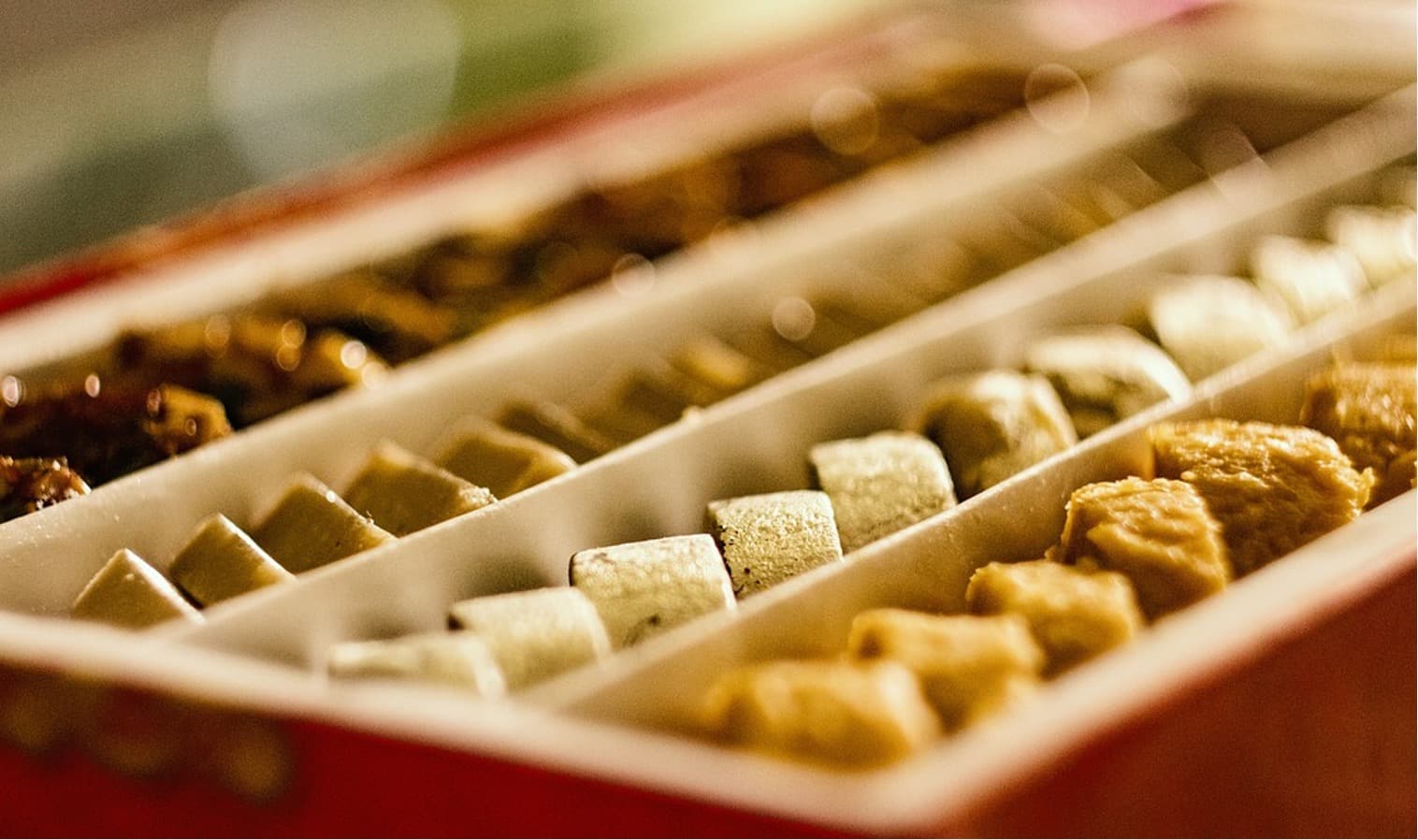
The Indian sweets industry is uniquely located in the country’s cultural and economic landscape. With its deep connection to festivals, celebrations, and daily consumption, sweets are both a tradition and a treat for Indians. However, the industry is at a critical juncture, where consumer preferences, technological advancements, and the shift toward hygiene and convenience are reshaping the market.
Current Market Overview
The Indian sweets industry is valued at approximately 6 Billion USD. It is broadly divided into two segments:
Organized Market (25%): This segment is more structured, with established brands that dominate the market. These brands, such as Haldiram’s, Bikano, and Amul, typically have widespread distribution channels, brand recognition, and a standardized approach to production and quality control.
Unorganized Market (75%): This segment is less structured and largely fragmented, consisting of smaller players like traditional sweet shops, home-based businesses, and small-scale producers. These businesses may cater to local or regional markets, and their offerings often vary widely in terms of quality and pricing.
State-wise Market Size and Consumption Patterns
Consumption of sweets varies significantly across states, influenced by local tastes, festivals, and purchasing power.
Quick Commerce and E-commerce: Transforming the Sweets Market
The Rise of Quick Commerce
Quick commerce platforms like Swiggy Instamart, Zepto, and Blinkit are revolutionizing the way sweets are sold. They enable:
Instant Access: Delivery of sweets within 10–20 minutes.
Impulse Purchases: Catering to last-minute festival needs or celebrations.
Hygiene Assurance: Ensuring that products are sealed and fresh.
For example:
Haldiram’s Special Combos: During Diwali 2024, Haldiram partnered with Blinkit to deliver sweets within 15 minutes. This boosted their sales by 30% in metro cities.
E-commerce Expansion
E-commerce platforms like Amazon, Flipkart, and BigBasket are also key channels for selling packaged sweets. Direct-to-Consumer (D2C) websites of brands like Haldiram’s and Bikano allow customers to order customized hampers, subscription boxes, and premium products.
Key Innovations in Products for E-commerce
Long Shelf Life: Ready-to-eat sweets like Gulab Jamun, Kaju Katli, and Soan Papdi are now packaged to last for up to 6–12 months.
Premium Packaging: Brands invest in attractive, eco-friendly packaging to cater to gifting markets.
Personalized Offerings: Customizable gift boxes for occasions such as weddings, birthdays, and corporate events.
Requirements for Growth in Quick Commerce and E-commerce
To tap into the growing demand for sweets via digital platforms, companies need to:
Cold Chain Logistics: Ensure temperature-controlled transportation to maintain the quality of sweets like Rasgulla and Rabdi.
Real-time Inventory Management: Platforms need to maintain updated stock levels to avoid order cancellations.
Tech Integration: Use AI/ML to analyze consumer behavior and forecast demand during festivals.
Product Development: Introduce health-focused sweets like low-sugar Gulab Jamun and vegan laddoos to attract niche audiences.
Strong Branding: Highlight hygiene, premium ingredients, and eco-friendly practices in marketing campaigns.
The Road Ahead: Future Opportunities and Trends
Regional Sweets on a Global Scale: With the growing Indian diaspora, sweets like Rasgulla, Mysore Pak, and Petha have significant export potential.
Health-focused Sweets: Increasing demand for low-sugar, low-fat, and high-protein sweets.
Fusion Flavors: Innovations like chocolate-coated Rasgullas and cheesecakes infused with Indian flavors.
Subscription Models: Monthly or festive subscriptions for curated boxes of assorted sweets.
Collaborations: Partnerships with quick commerce platforms for exclusive launches during festivals.
The Indian sweets industry is on the cusp of a major transformation. As organized players like Haldiram’s, Bikano, and Amul expand their portfolios and adopt technology-driven solutions, they are poised to capture a larger share of the 6 Billion USD market. The emphasis on hygiene, innovation, and convenience is driving the shift toward organized sweets, making it a lucrative and sustainable sector for the future. By leveraging the power of quick commerce and e-commerce, the organized sweets industry is well-positioned to meet the changing demands of modern consumers.