Latest Blogs
See More

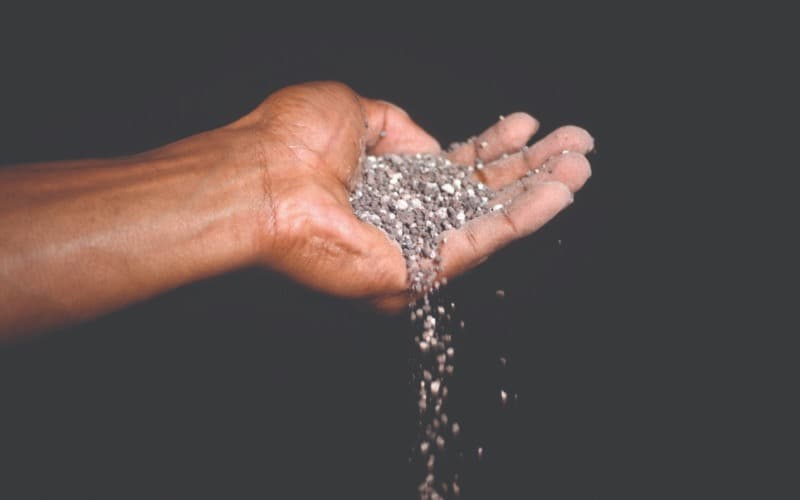
Dairy farms in New Zealand have recorded a roughly 20% reduction in nitrogen fertiliser use over the past few years, reflecting a combination of regulatory limits, higher input prices and changes in farm management practices. According to a report by the Fertiliser Association of New Zealand, mandatory reporting on fertiliser use and an annual cap of 190 kg of nitrogen per hectare have helped reduce applications, even as cost pressures and efficiency measures have shifted farmer behaviour.
The nitrogen cap — introduced in legislation in 2020 and followed by required reporting from 2022 onwards — has encouraged farmers to rethink fertiliser strategies, increasingly focusing on soil nutrient efficiency, the use of urease inhibitors and improved pasture management such as clover integration and supplementary feeds. Elevated nitrogen prices and lower commodity returns during the same period have further reinforced this shift.
As a result, many dairy farmers are using digital tools and farm mapping systems to track and optimise nutrient application, reducing wastage and aligning with environmental expectations. While reduced fertiliser use has only slightly lowered estimated nitrogen loss to waterways nationally, improved nutrient planning is seen as a positive step toward both economic efficiency and environmental care on dairy farms.
Short Environmental Context:
New Zealand’s past dairy expansion had previously driven heavy fertiliser use that contributed to nitrate leaching into rivers and groundwater, particularly in regions like Canterbury, with concerns over water quality and ecological impacts. The drop in synthetic nitrogen use is part of broader nutrient management efforts to reduce environmental footprints while maintaining pasture productivity.
Image Credit : Farmers weekly
Source : DAirynews7x7 Jan 13th 2026 Read full story here