Latest Blogs
See More


Indian Dairy News


DairyNews7x7
Global Dairy News

DairyNews7x7
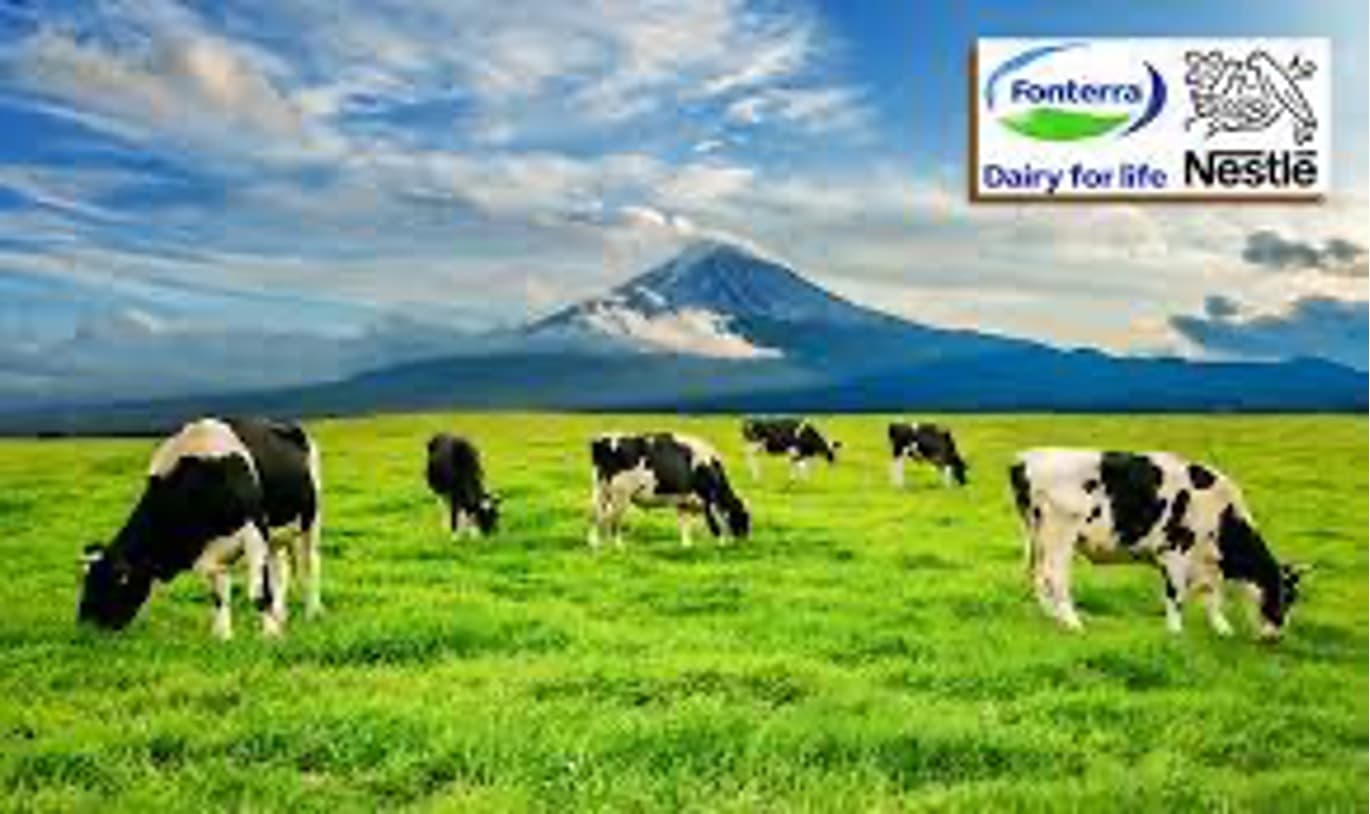
21 Dec 2023 — Nestlé and Fonterra have penned a new agreement that will see dairy farmers paid more to enhance on-farm sustainability when they achieve one of the three levels of Fonterra’s “The Co-operative Difference” framework during the 2023/24 season.
The move is poised to propel Fonterra’s ambition of being “net zero” by 2050, with 2030 targets including a 30% intensity reduction in on-farm emissions.
“The Co-operative Difference is about getting ready for emerging issues that are either opportunities to create new value or risks to existing value. It provides farmers with the confidence to invest in farms at a pace that works for them and their business,” a Fonterra spokesperson tells Food Ingredients First.
“We want to help every Fonterra farmer achieve good farming practices, which contribute to improved outcomes for soil health, water quality, biodiversity, animal well-being and emissions reduction.”
The additional cash injection by Nestlé to Fonterra’s farmers is projected to be approximately 1- 2 cents per kg of milk solids (kgMs). The amount will reportedly depend on the number of farmers who meet the three levels of the framework.
“The additional payment for the 2023/24 season funded by Nestlé will be shared between Fonterra farmers who achieve any level of the framework,” the spokesperson tells us.
Farmer incentives are calculated based on a milk payment parameter similar to the one used for milk’s fat and protein.The partnership between Fonterra and Nestlé was first announced last December. The companies joined hands on the project to help reduce New Zealand’s dairy farm emissions by 30% by mid-2027 and net zero carbon emissions in ten years.
Uplifting farmers Fonterra’s Co-operative Difference framework lays out the farming and business practices that will reportedly help farmers stay at the forefront of quality, safety and sustainability.
Dairy farmer Greg Langman states: “Sustainability is going to be the thing of the future, so the sooner people get into it, the more lead-in time they will have to modify their farming practices and at-risk areas on their farm.”
The process starts with participating farms undergoing verification from June to May the following year.
From July to September, they are required to submit farm dairy records, followed by confirmation of the farm’s performance that season through a Farm Insight Report.
Consequently, dairy farmers receive incentives in the year’s final retro payment. The amount can differ slightly between farms depending on milk solids, relative to the co-op average.
The approach rewards farmers at three levels:
The co-operative uses these guidelines to ascertain the specific value of each farm’s milk.
“The number of farmers achieving The Co-operative Difference helps to illustrate how successful it has been,” Fonterra’s spokesperson notes, adding that in the 2021/22 season, 72% of Fonterra farmers achieved at least Te Pūtake, which rose to 83% in 2022/23.
Mission mitigate emissions A recent FAO report warns that global livestock emissions will reach nearly 9.1 gigatons of CO2 equivalent by 2050 without interventions and productivity gains.
Direct emissions, including methane from enteric fermentation by ruminants and nitrous oxide from manure management systems, comprise 60% of the sector’s total emissions. Land use changes associated with feed production are other contributors.
Enteric fermentation and nitrous oxide from manure management systems reportedly comprise 60% of the dairy sector’s total emissions (Image credit: Fonterra).Milk production reportedly contributes to 30% of global greenhouse gas (GHG) emissions, urging the dairy industry to cut down methane emissions on their farms. In a significant move, key dairy players at the recently concluded COP28 in Dubai pledged to monitor their methane emissions.
Meanwhile, a Nestlé spokesperson tells us that the company prioritizes tackling GHG emissions.
“We are working on a range of actions to reduce and mitigate dairy emissions including projects related to cattle feed and the diet and digestion of cows, herd management, switching to more renewable sources of energy on farms and better management of manure,” they say.
The FMCG giant is also turning to regenerative agriculture and emission cuts, with a 1.2 billion Swiss Francs (∼US$1.4 billion) investment in these efforts by 2025. It further plans to source 50% of its ingredients through regenerative agriculture by 2030.
Nestlé New Zealand CEO Jennifer Chappell says the move will “encourage even greater action by farmers, researchers and policymakers” to support a just transition for the dairy industry.
“This will, in turn, help the industry and dairy farmers make the most of the economic opportunities presented by the shift to lower emissions.”
Policymakers’ impact Policies are crucial in fostering sustainable farming practices, the Nestlé spokesperson tells us.
“Policy is playing an important role — as shown by the significant increase in attention paid to methane emissions at COP28 — to help improve farm economics and ensure changes are both financially and environmentally sustainable.”
“Success in addressing dairy emissions relies on effective partnerships between policy makers, food companies, retailers and farmers, helping meet consumer demand in a more sustainable way.”
Source : Foods ingredients First Dec 21st 2023 by By Insha Naureen