Latest Blogs
See More

Indian Dairy News



DairyNews7x7
Global Dairy News


DairyNews7x7
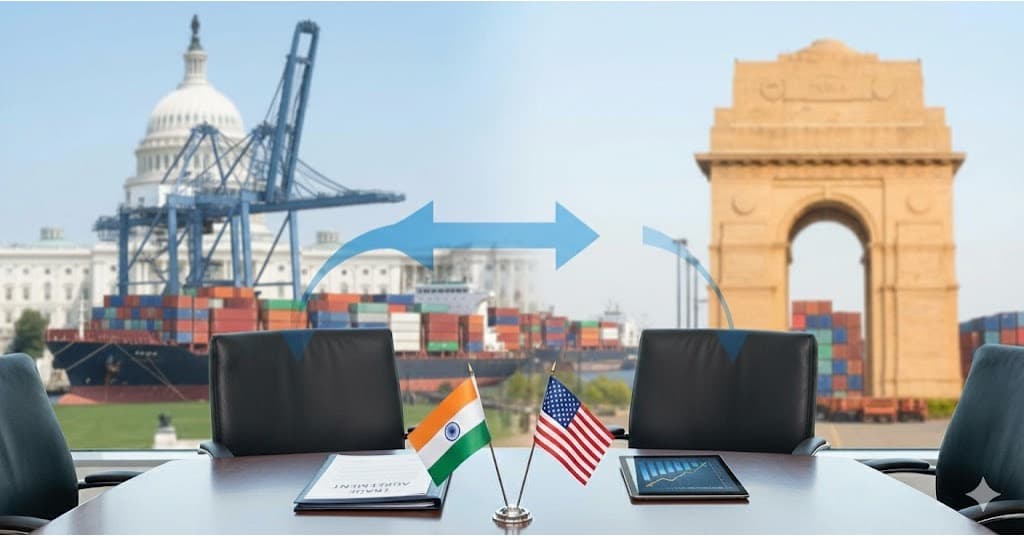
According to analysis in The Diplomat, U.S. President Donald Trump publicly announced on 2 February 2026 that a “trade deal” with India had been reached — including reciprocal tariff cuts and other trade-related commitments — before a formal, detailed agreement was actually concluded or officially published by either government. This has led commentators to question whether the announcement was premature rather than signaling a completed and legally binding trade agreement.
The Diplomat notes that Trump’s statement on Truth Social described reductions of reciprocal tariffs on Indian goods and broad commitments on tariff liberalisation and U.S. exports. However, as of the announcement, only a framework outline or a political commitment seemed to be in place, with substantial work still required to finalise the detailed trade text and negotiating outcomes.
Political analysts and trade commentators make a few key points:
1. Framework vs. Full Agreement:
The announcement referred to tariff shifts and in-principle commitments (e.g., reductions from 25% to 18% on some tariffs), but the detailed terms, schedules and legal text of a comprehensive trade agreement were not yet publicly available. This suggests Trump’s announcement was based on political alignment on broad outcomes rather than a final legally enforceable treaty.
2. Lack of Publication on Government Treaty Sites:
As of early February 2026, neither the Office of the United States Trade Representative (USTR) nor India’s Ministry of Commerce & Industry had posted an official text of the agreement on their treaty or trade deal repositories — a standard procedure once a bilateral trade agreement is signed. This absence has contributed to the perception that the deal details were not yet finalized. There is currently no publicly available treaty text online from either government.
3. Domestic Political Dynamics:
The announcement raised questions in both countries about timing and substance. In India, critics argued that Trump’s early claim put the Indian government in a position where it had to defend or clarify deal specifics it had not yet published. In the U.S., the announcement appeared timed to provide political momentum ahead of domestic considerations like mid-term elections.
Political announcement: Trump’s social media and public announcement conveyed confidence that negotiators have reached political agreement on key points.
Details still pending: Legal treaty text, tariff schedules, exclusions, and sector-specific protections (e.g., agriculture/dairy) are still expected to be negotiated, documented and published by both governments before the agreement can be considered final or enforceable.
Domestic scrutiny: In India, opposition parties and critics have questioned the announcement’s timing and the absence of detailed release, particularly where sensitive sectors (like agriculture and dairy) are concerned.
The Diplomat article argues that Trump’s announcement may have been premature, signalling that the political headline came before the formal conclusion and publication of the detailed India-US trade agreement text. While it underscores agreement on broad tariff reduction frameworks, it stops short of confirming that a fully negotiated and signed treaty had been completed at the time of the announcement.
Source : DAirynews7x7 Feb 5th 2026 Read full story here