Latest Blogs
See More

India's dairy industry, traditionally viewed through the lens of volume and logistics, is undergoing a significant transformation. With over 80 million smallholder farmers and a cattle population exceeding 300 million, India leads globally in milk production. The sector, valued at ₹13.17 lakh crore in 2022, is projected to reach nearly ₹21 lakh crore by 2030 (IMARC Group).
This growth is not merely quantitative but qualitative. Modern consumers are increasingly health-conscious and digitally connected, seeking products like probiotic curd, high-protein paneer, prebiotic yogurt, lactose-free milk, and zero-added-sugar dairy beverages. Such preferences necessitate a shift from traditional supply chains to more transparent, ethical, and digitized systems.
However, challenges persist. India's dairy exports remain minimal due to issues like fragmented supply chains, inconsistent quality control, and lack of traceability. International markets demand stringent compliance and documentation, which are currently lacking. Moreover, the absence of centralized digital tools hampers effective cattle management, affecting milk quality and yield.
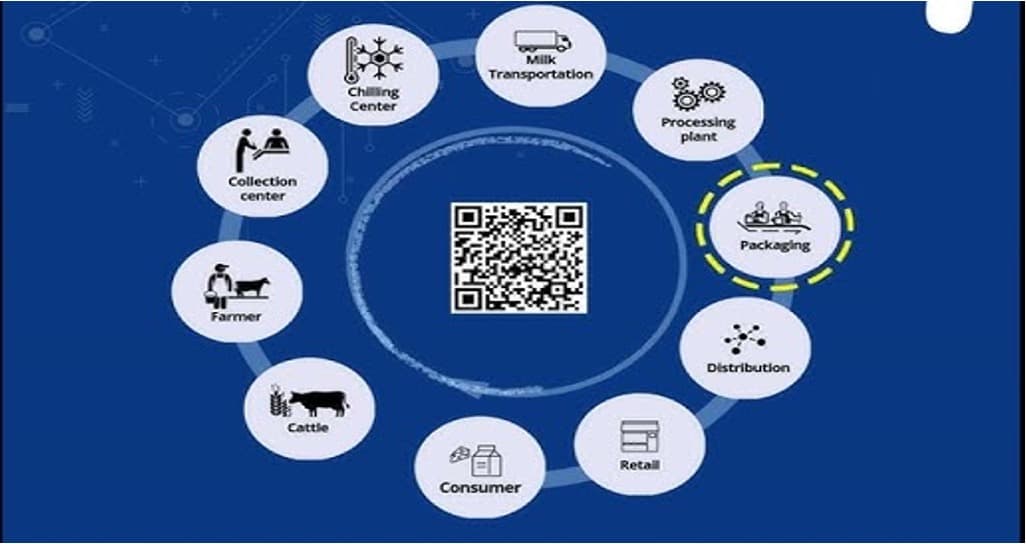
To address these challenges, the industry must embrace end-to-end digitization, ensuring traceability from farm to fork. This approach not only meets regulatory requirements but also builds consumer trust. By transforming B2B dairy operations into strategic brand differentiators, companies can align with modern consumer values and unlock new market opportunities.
Industry Insight:
For dairy entrepreneurs and investors, this evolution underscores the importance of integrating technology and transparency into supply chains. Embracing digitization and ethical practices is no longer optional but essential for competitiveness and growth in both domestic and international markets.
Source : Dairynews7x7 April 28th 2025 by Ranjith Mukundam Co-Founder Stellapps in FNB