


Research explains why cool cows can provide more milk
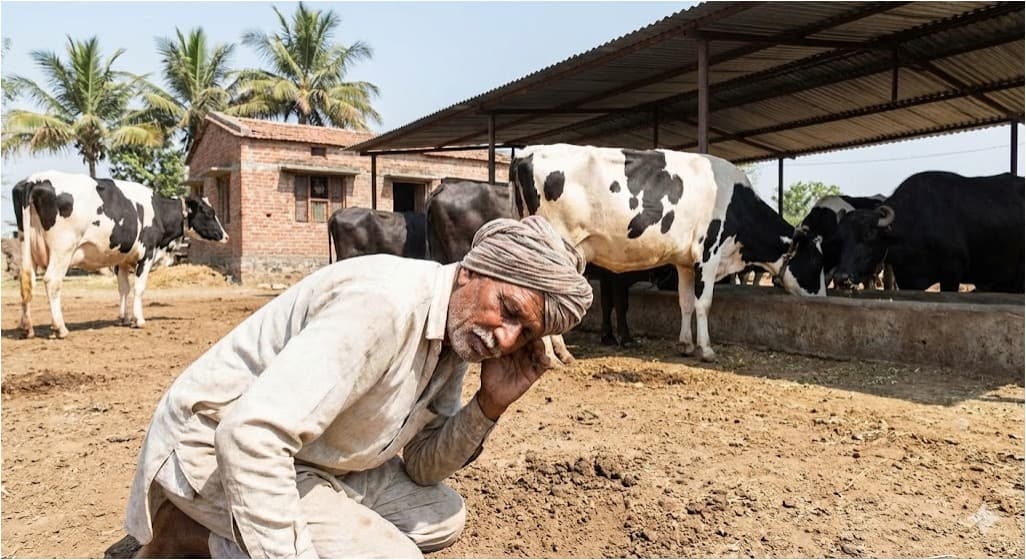
With increasing global temperatures, dairy cattle face heat stress more frequently throughout the year than in the past. Thanks to cooling technology, dairy cattle can enjoy a better quality of life, but farmers and consumers may wonder if cattle comfort results in more milk.
A study conducted by University of Georgia researchers determined that dairy cattle cooled with fans and sprinklers respond better to heat stress, produce more milk and have healthier mammary glands.
In a recently published article in the Journal of Dairy Science , UGA scientists determined how evaporative cooling and zinc sources in feed impact mammary glands and heat-shock responses in lactating dairy cattle. The article was authored by Ruth Marisol Orellana Rivas while she completed her doctoral degree in dairy science under the guidance of associate professor Sha Tao and now Professor Emeritus John Bernard in the College of Agricultural and Environmental Sciences.
“Heat stress represents a major burden to the dairy industry, especially in the United States and I would say worldwide. It has been studied for many years, but there are so many things we still need to understand, especially at the physiological level,” said Orellana Rivas, who primarily conducted cellular lab research for this project.
Cellular studies
Since most breeds of dairy cattle originated in temperate European climates, they’re better adapted to cool environments and start to experience heat stress around 68 degrees Fahrenheit in humid conditions.“A cow basically has a big fermentation factory as a stomach, and heat is produced within that. A lot of that heat comes from forage that she converts into nutrients that she can then use for milk production. It gets complicated,” said Bernard, whose animal and dairy science research focuses on nutrition and forages.
Previous research on proteins subjected to heat stress in a lab (in vitro) demonstrated exposure of bovine mammary cells to heat for long periods resulted in a loss of heat tolerance and cell death. Researchers wanted to determine whether the same was true when measured in currently lactating dairy cattle on the farm (in vivo).
How mammary glands reacts to heat stress ?
“We don’t know a lot about how heat stress affects the mammary gland itself. Physiologically, what are the cell events that happen in the mammary gland?” Orellana Rivas said. “A lot of the research that exists is in vitro, but we still need a lot of in vivo models to understand better how the mammary gland reacts to heat stress.”Tao’s research and UGA Extension efforts in the Department of Animal and Dairy Science center on heat stress and its effects on physiology. As the principal investigator on this project, he directed the experiment to understand cellular reactions in real-world circumstances for dairy cattle.
Because nutrition affects heat shock responses and mammary glands, the team also explored whether specific zinc supplements in feed could improve heat stress reactions during environmental challenges. In this study, they divided dairy cattle to be researched into groups to receive one of two feed supplements: inorganic zinc and zinc-methionine. As a nutrition and feed additives expert, Bernard formulated feed ratios and assisted with the day-to-day technical aspects of the trial.
On-farm research
For the first half of the experiment, all cattle experienced evaporative cooling in specialized barns, complete with misters and fans, a common practice on dairy farms in the Southern U.S. For the second part, cooling was removed from half of the cattle. In order to determine the effect heat stress had on a cellular level, researchers humanely and safely collected blood samples and used that data to evaluate heat shock protein reactions. Researchers also collected mammary biopsies before and after the environmental challenge to extract RNA for gene expression evaluation.“In this study, we examined how hot weather could affect milk synthesis and stress responses of cows and discovered that providing fans and sprinklers to dairy cows will help minimize the effect of hot weather on cows,” Tao said.
ab evaluation of the heat shock proteins found that they were more active in the cows without cooling than those with it. Therefore, milk production was higher in the cattle that experienced evaporative cooling, but the findings could have further implications.
Heat tolerance
“We observed that both mammary and circulating heat shock proteins would keep increasing until several days into heat stress. This likely means that heat shock protein is being produced and that heat tolerance is consistent throughout time, which could be important for cell survival not only at the mammary level but for different tissue, because heat shock proteins are expressed in in different cell types,” Orellana Rivas said.Although there was no significant difference in milk production based on the dietary zinc treatments, the research indicated zinc-methionine could affect other cell functions and provided research questions for future studies.ab evaluation of the heat shock proteins found that they were more active in the cows without cooling than those with it. Therefore, milk production was higher in the cattle that experienced evaporative cooling, but the findings could have further implications.
“We observed that both mammary and circulating heat shock proteins would keep increasing until several days into heat stress. This likely means that heat shock protein is being produced and that heat tolerance is consistent throughout time, which could be important for cell survival not only at the mammary level but for different tissue, because heat shock proteins are expressed in in different cell types,” Orellana Rivas said.
Although there was no significant difference in milk production based on the dietary zinc treatments, the research indicated zinc-methionine could affect other cell functions and provided research questions for future studies.
Timing to meet demand
The results could lead to more efficient milk production as climate change impacts global temperatures and increases heat stress in other parts of the U.S.“Producers in the North are looking at what you need to do in heat stress just as often as producers in the Southeast are. They may not have the duration of chronic heat stress we do (in Georgia), but they are realizing the need for heat mitigation in facilities and looking at diet aspects to try to do everything they can to minimize the negative impacts of heat stress,” said Bernard, who retired from UGA in October after more than 22 years of research and Extension work in dairy cattle nutrition and management.
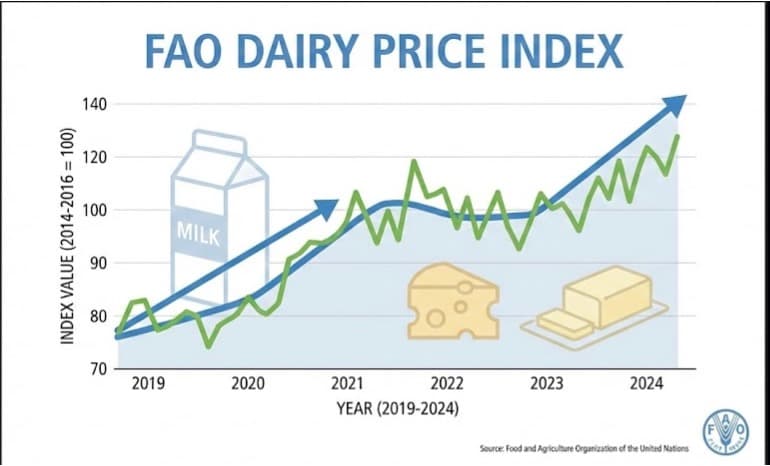
However, Bernard said focus on heat stress mitigation techniques in the Georgia dairy industry could help both animal welfare and the milk market. Because cows produce less milk during summer and fall heat in Georgia, milk is at a premium price in the fall when schools open. Then, during the winter months, there is a surplus of milk. This seasonality of milk production results in supply and demand shifts. Better management of highs and lows in milk prices could benefit Georgia’s dairy farmers.
“This knowledge will help dairy scientists develop additional management and nutritional tools to further improve cow comfort and productivity in the hot and humid summer in Georgia. Happy cow, happy farmer,” Tao said.
Orellana Rivas graduated with her doctorate in December and now works with Provimi North America where she promotes research-based products to improve dairy calf nutrition practices.